science
Featured Article
Microbiome startups respond as industry is accused of ‘questionable practices’
The biotech sector has embraced the microbiome in recent years, a green field market powered by cheap genome sequencing and venture dollars, promising bespoke treatments for everything from gut troubles to skin problems. But a report in Science alleges that these companies lack scientific rigor and meaningful regulation, offering little more than guesswork on a…

Propelled by ‘science for humanity,’ this Chinese AI startup sets sight on US
Amid rising geopolitical tensions, many Chinese tech companies find themselves recalibrating their overseas pursuits, often sidestepping any reference to their origin. One bold startup called DP Technology stands out from…

Voiijer’s new app offers a social community for nature-lovers and explorers
Social media often disconnects people from the real world, keeping people inside scrolling feeds on their phones. New social app Voiijer wants to do the opposite by connecting nature enthusiasts…
With this brain map we are one step closer to total fruit fly simulation
In a way, fruit flies are just like us. They have eyes, legs, nervous systems, and they love fruit. Unlike us, however, they only have a few thousand neurons in…

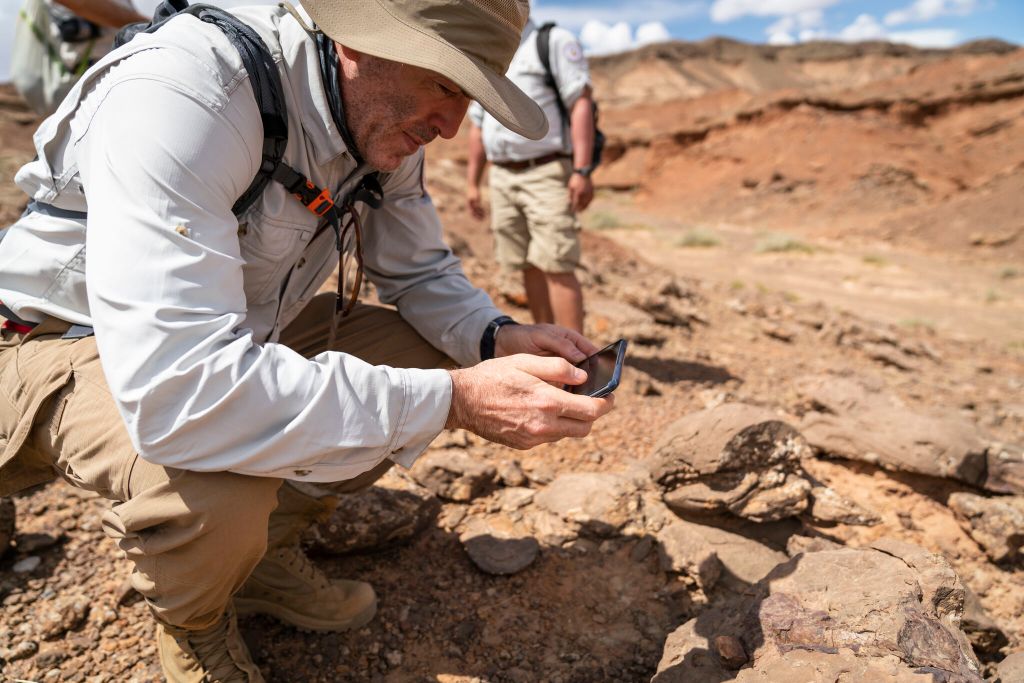
Space tomatoes and prescription yogurt incubator rocket to the ISS
If astronauts are going to undertake multiyear missions or establish a sustainable presence on the moon and Mars, they’ll need fresh food and medical supplies, not exactly easy to come…

Perceptron: Multilingual, laughing, Pitfall-playing and streetwise AI
Research in the field of machine learning and AI, now a key technology in practically every industry and company, is far too voluminous for anyone to read it all. This…

Don’t you hate it when, after going just five or 10 meters underwater, you lose signal completely? Now this vexing limitation of modern technology is being addressed by researchers at…

Perceptron: Face-tracking ‘earables,’ analog AI chips and accelerating particle accelerators
Research in the field of machine learning and AI, now a key technology in practically every industry and company, is far too voluminous for anyone to read it all. This…

New White House directive will require free access to studies funded by tax dollars
A new White House directive will require academic journals to provide immediate access to papers that are publicly funded. Announced Thursday, the policy, which will be phased in over the…
From ‘literally zero’ experience to $100M, this VC is raising his second climate tech seed fund
If you ask me, climate tech investor Contrarian Ventures isn’t so contrarian anymore. The five-year-old firm is targeting $100 million for its second seed-stage fund, and it’s doing so smack…

A year in the making, BigScience’s AI language model is finally available
After more than a year of planning and training, a volunteer-led project has produced an open source language model that they claim is as powerful as OpenAI’s GPT-3, but free…

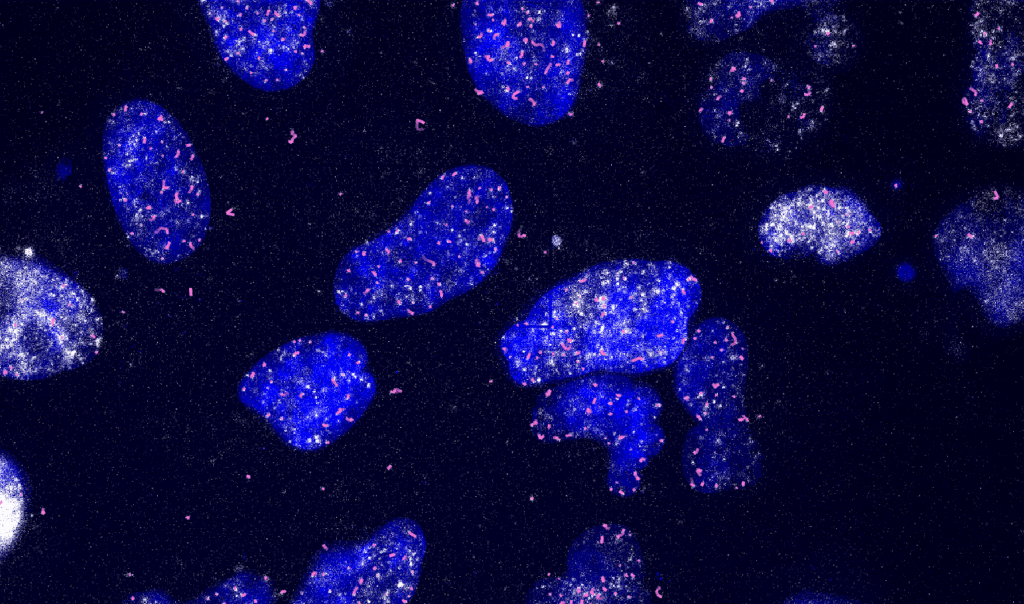
‘How can you understand life if you don’t look at it live?’ — Eikon Therapeutics rakes in $518M
Adam Goulburn, a partner at Lux Capital, was first struck by Eikon Therapeutics’ pitch to use super microscopes to develop drugs when founder Eric Betzig posed a simple question: How…
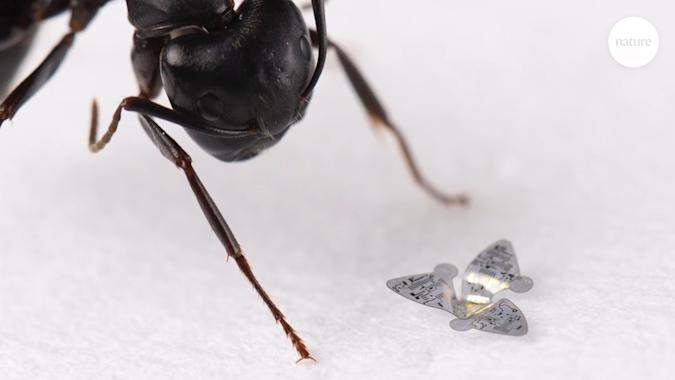
‘Flying’ microchips could ride the wind to track air pollution
Researchers have created a winged microchip around the size of a sand grain that may be the smallest flying device yet made. They’re designed to be carried around by the…
GSK and R/GA Ventures are launching a health studio for startups
GSK Next, the innovation arm of GSK Consumer Healthcare, is launching a new mentorship and business development program. Called the Re/Wire Health Studio, the program will eventually select six startups…
With its newest round, Liquid Death will exclusively ‘murder your thirst’ at Live Nation events
Liquid Death, a four-year-old, LA-based canned mountain water startup that has steadily garnered market share and press coverage by promising, amusingly, to “murder your thirst,” just raised $15 million in…

Erase All Kittens raises $1M seed round for Mario-style game which teaches girls to code
Erase All Kittens (EAK) is an edtech startup that created a “Mario-style” web-based game designed for kids aged 8-12. However, the game has a twist: it places an emphasis on…
Watch a monkey equipped with Elon Musk’s Neuralink device play Pong with its brain
Elon Musk’s Neuralink, one of his many companies and the only one currently focused on mind control (that we’re aware of), has released a new blog post and video detailing…

Curran Biotech’s new nanocoating could prevent indoor transmission of COVID-19
A new nanocoating from Curran Biotech could dramatically improve air filtration to prevent the spread of COVID-19 indoors. Their Capture Coating technology acts as a supplement to any household or…

VC Lindy Fishburne on the seemingly sudden democratization of science
Deep science investor Lindy Fishburne cofounded the seed- and early-stage venture firm Breakout Ventures several years ago, after cofounding Breakout Labs within the Thiel Foundation back in 2011, and she…

Featured Article
Toronto’s UHN launches a study to see if Apple Watch can spot worsening heart failure
A new study underway at Toronto’s University Health Network (UHN), a group of working research hospitals in the city, could shift our approach to treatment in an area of growing concern in human health. The study, led by Dr. Heather Ross, will investigate whether the Apple Watch can provide early warnings about potentially worsening health…

Tappity raises $1.3M for its interactive and educational video library for kids
When kids today want to learn about a new topic they’re interested in, they’ll often turn to YouTube. But the quality of the educational content on the platform can be…

Watch SpaceX’s stunning Starship prototype ‘hop’ test flight and landing
SpaceX achieved a big win in their Starship spacecraft development program on Tuesday evening, flying the SN5 prototype of that future vehicle to a height of around 500 feet, propelled…

NASA signs agreement with Japan to cooperate across Space Station, Artemis and Lunar Gateway projects
NASA has signed a new agreement with Japan that lays out plans for the two nations to cooperate on the International Space Station (continuing existing partnership between the countries there)…

African genomics startup 54gene raises $15M led by Adjuvant Capital
Greater availability of African genomic data could lead to medical breakthroughs for the continent’s 1.2 billion people. That’s the driving proposition of 54gene — a U.S. and Nigeria-based startup —…
Most of the buzz about esports focuses on high-profile professional teams and audiences watching live streams of those professionals. What gets ignored is the entire base of amateurs wanting to…

Lambs, the radiation-proof underwear company formerly known as Spartan, is now selling beanies
Earlier this year, Spartan, the French manufacturer of a silver-lined underwear designed to block EMF radiation from cell phones and wireless routers, relocated to the U.S. and raised some capital…

BBC and Discovery team up on a new streaming service focused on factual programming
Discovery and BBC this morning announced an extensive,10-year content partnership deal for a new streaming service focused on natural history and factual programming. The subscription video service is expected to…
UPDATED: CRISPR scientist in China claims his team’s research has resulted in the world’s first gene-edited babies
Update: The story is getting even more convoluted. When contacted by TechCrunch’s Rita Liao, a representative at the hospital that supposedly approved Jiankui He’s study stated “what we can say…

Gwyneth Paltrow’s Goop to pay for making unsubstantiated claims about vaginal Jade eggs
Goop, the lifestyle and e-commerce site started by Hollywood darling Gwyneth Paltrow, has settled a $125,000 lawsuit connected to false advertisements of a $66 vaginal Jade egg, which the company said…

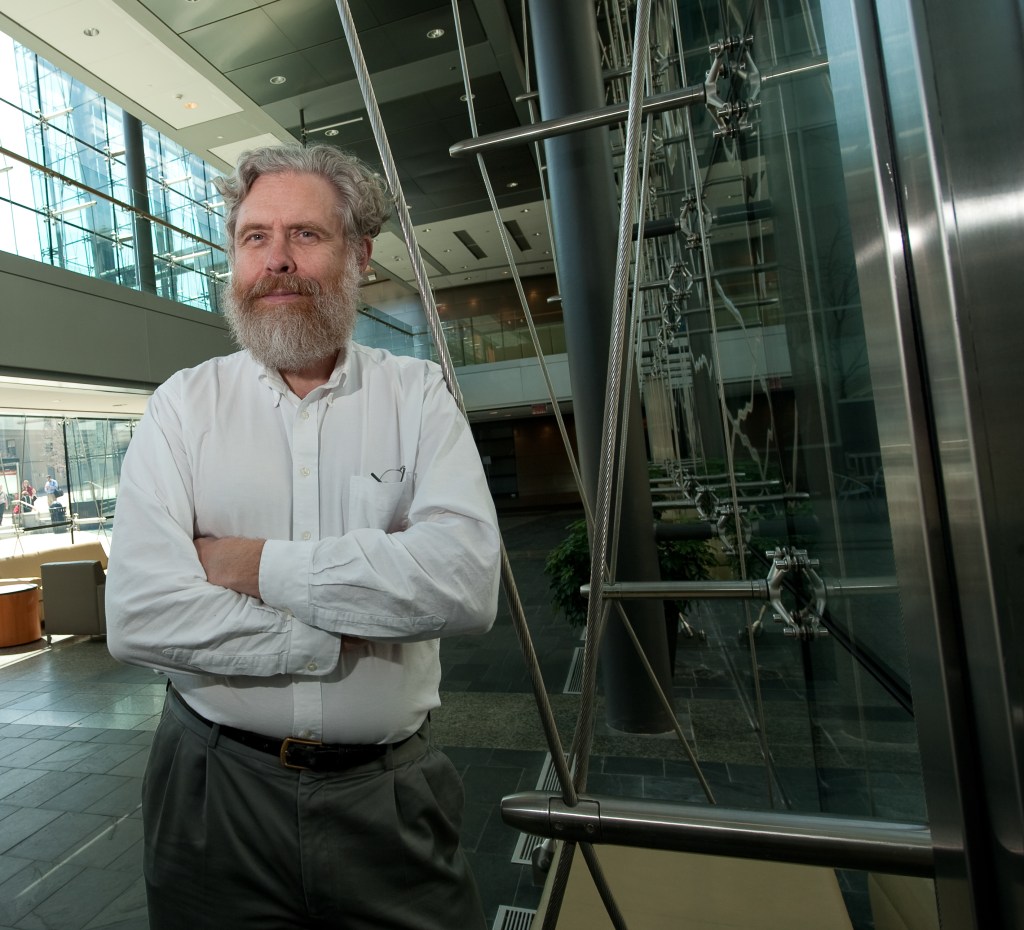
Human sequencing pioneer George Church wants to give you the power to sell your DNA on the blockchain
The blockchain is the buzziest thing on the internet these days and now MIT professor and godfather of the Human Genome Project George Church wants to put your genes on…