
Virgin Galactic
Virgin Galactic investigating anomaly discovered after last crewed suborbital mission
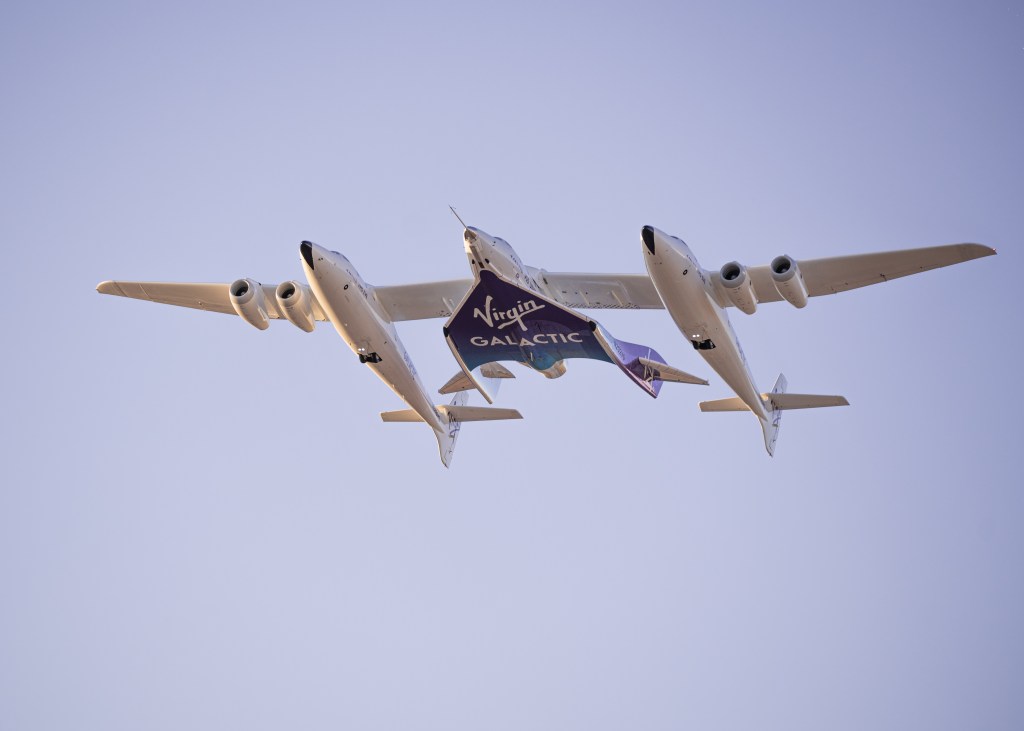
Virgin Galactic is working with regulators to investigate an issue with an alignment pin that was discovered after the last crewed suborbital flight in January. During post-flight reviews, Virgin said…
Virgin Galactic cuts staff by 18% to support production of next-gen spaceships
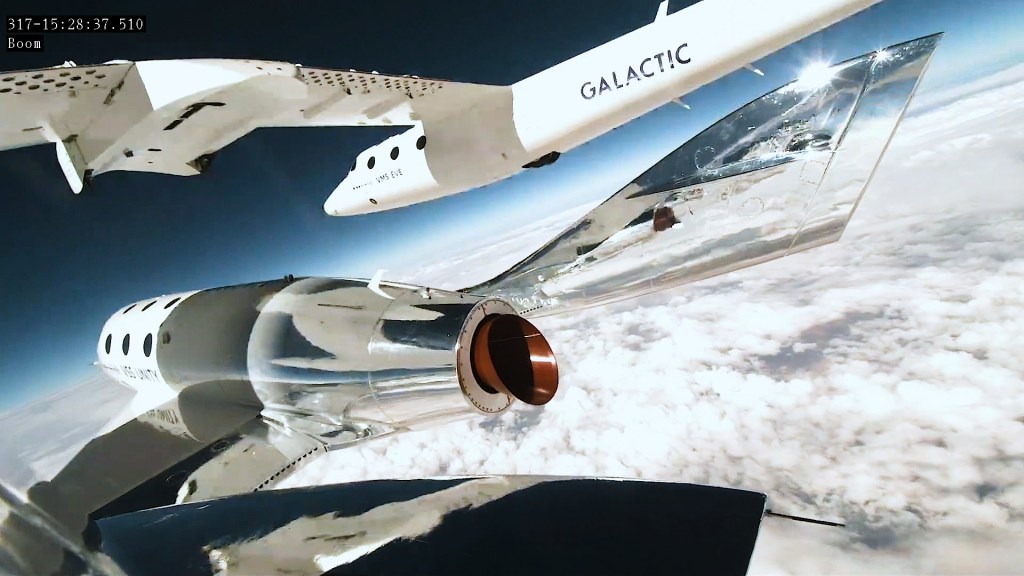
Virgin Galactic is cutting costs and reducing staff by 18% as it looks to scale production of its next-gen line of suborbital spaceplanes. In a memo to staff sent Tuesday,…
Three leading space companies agree: No new regulations on human spaceflight
Three leading space companies told Congress this week that the industry needs time to mature before federal regulators introduce new safety guidelines for human spaceflight — but that existing regulatory…
Virgin Galactic gearing up for second commercial suborbital flight in August
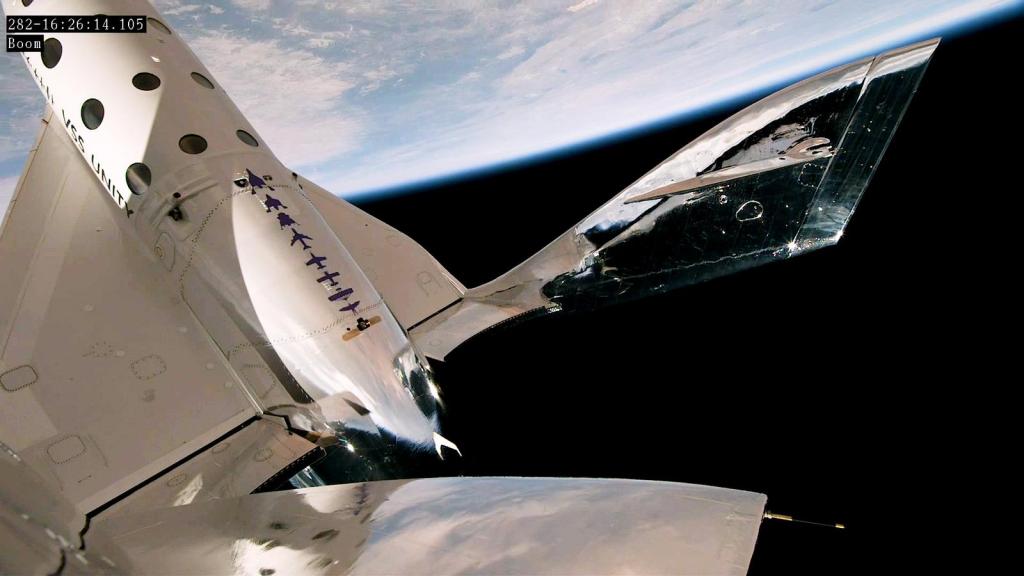
Fresh off its first commercial mission, Virgin Galactic will return to the skies on August 10 to take three private citizens to suborbital space and back. The crew for the…

Virgin Galactic’s first commercial flight brings payloads and passengers to edge of space
Update: The launch was a success start to finish, and the vessel has returned safely to the ground. The headline and images have been updated to reflect this; original story…

After years of tests, space tourism line Virgin Galactic is finally beginning commercial spaceflight services at the end of the month, the company announced today. After these initial flights, they…

Following successful mission, Virgin Galactic targeting June for first commercial spaceflight
Following a successful flight to the edge of space on Thursday, space tourism company Virgin Galactic says it is ready to enter commercial service in June. Virgin Galactic’s aircraft, VMS…
No tears, only launches now: Virgin Galactic heads back to space as Virgin Orbit goes under
Update: The flight, launch, and glide were all successful and the crew is back Earthside. 🙌 Touchdown, VSS Unity! Our crew and spaceship are back on Earth after landing smoothly…
Virgin Galactic aims for triumphant return with crewed flight at the end of May
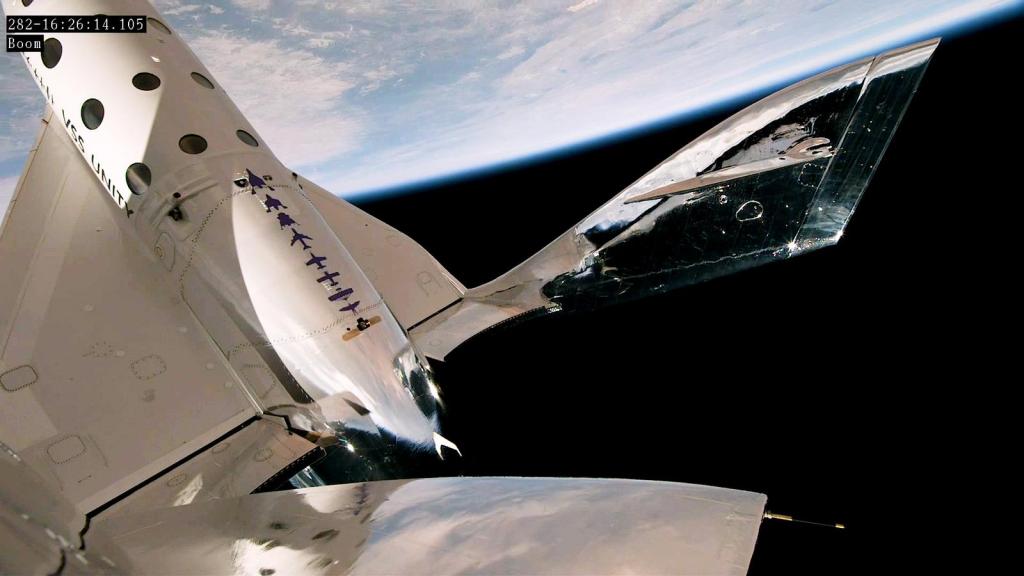
Virgin Galactic will return to the skies later this month, in a crewed mission that the company hopes will bring to an end the nearly two-year gap since its first…

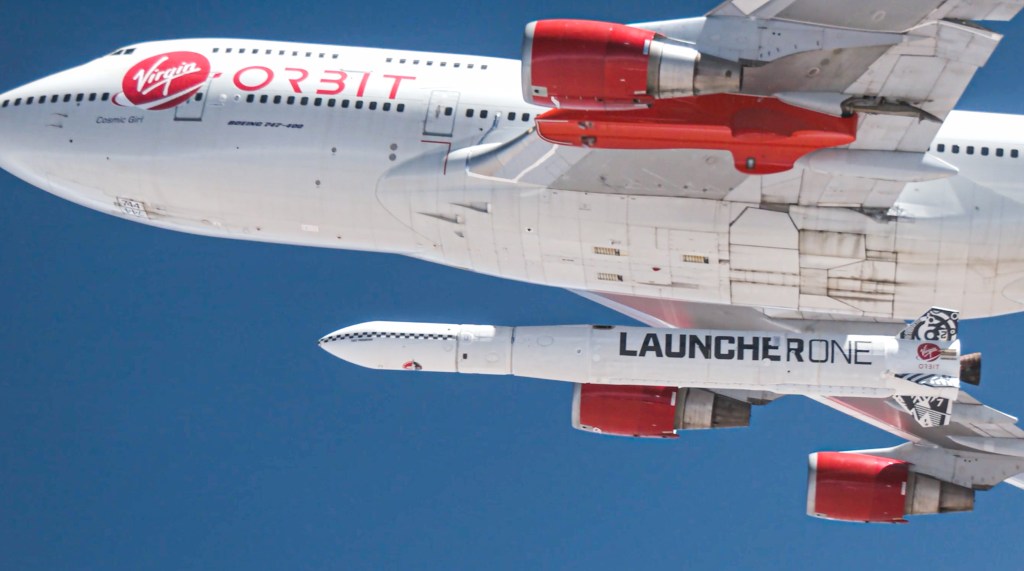
Virgin Orbit, the low Earth orbit small-payload launch company that was spun out of Richard Branson’s Virgin Galactic, has filed for bankruptcy protection with the U.S. Securities and Exchange Commission.…
Welcome to Max Q. By the time you read this, we’ll be less than 24 hours away from the release of the first images captured by James Webb Space Telescope.

Virgin Galactic aims for 400 flights a year with two new ‘motherships’
Virgin Galactic is gearing up to take more tourists to the edge of space, working with Boeing to build two new “motherships” that will take the rocket-powered spaceplanes to launch…
Strong Compute raises $7.8M seed round to speed up ML training pipelines
Strong Compute, a Sydney, Australia-based startup that helps developers remove the bottlenecks in their machine learning training pipelines, today announced that it has raised a $7.8 million seed round. The…

Hello and welcome back to Max Q. In this issue: Astra’s long game in the small launch market The supermassive black hole at the center of the galaxy News from…

Virgin Galactic will sell you a $450K ticket to space starting February 16
If you want to go to space and you have $450,000, you can get a ticket starting tomorrow. Virgin Galactic is selling reservations for a spot on its suborbital spaceplane,…

Virgin Galactic announces first raffle winner for two tickets to space
Back at Virgin Galactic’s big event for its founder’s first flight, Richard Branson announced that the company would be making seats on its spacecraft available via online raffle platform Omaze.…
Today! Join NASA, US Space Force fireside chat on the new space age
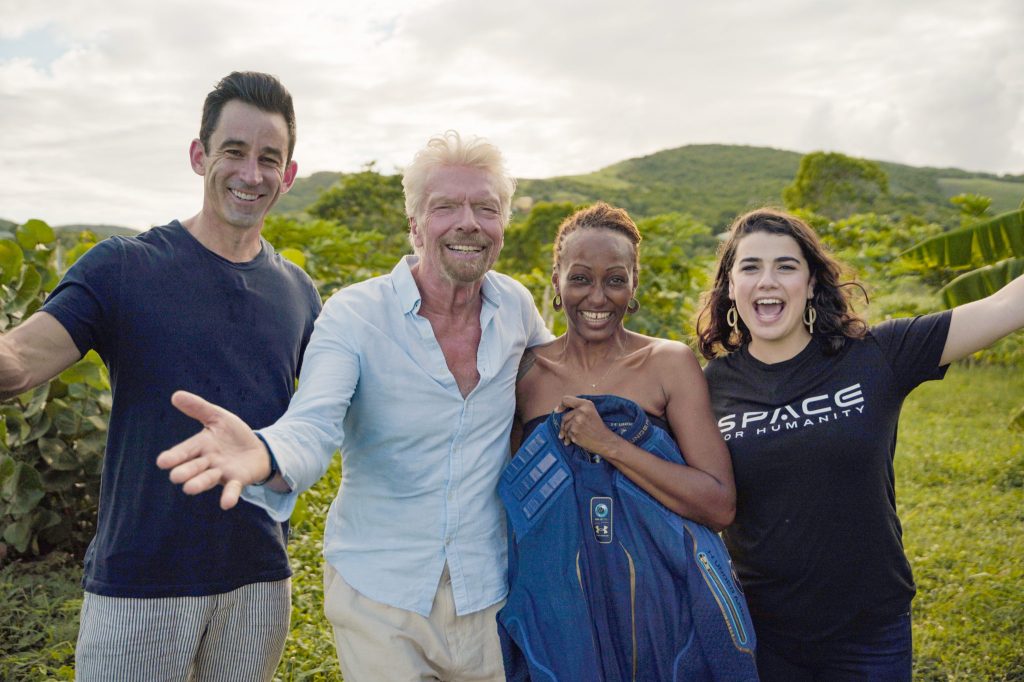
This morning at 8:30 am PT we are hosting a live, 30-minute FREE webinar called, Full Speed Ahead: Accelerating Government and Commercial Collaboration in the New Space Age. Join experienced…
We’re at the start of a gold rush in outer space — and our track record for the sustainable development of any environment during gold rushes hasn’t been particularly noteworthy.

Virgin Galactic is clear to fly again following FAA’s ‘mishap investigation’ of Branson flight
The Federal Aviation Administration has closed its “mishap investigation” into the July 11 flight of Virgin Galactic founder Richard Branson and three others, the space tourism company’s first dedicated passenger…

Space can and should be about much more than giving the 1% another Instagrammable moment and increasing the wealth of the billionaires who provide the service.

Hello friends, and welcome back to Week in Review. Last week, we dove into the truly bizarre machinations of the NFT market. This week, we’re talking about something that’s a…

Virgin Galactic looks to late September, early October for first commercial crewed flight
Just two months after celebrating its first manned launch to orbit — which is now under investigation with the Federal Aviation Administration — Virgin Galactic wants to return to space.…
FAA opens probe into anomaly on Richard Branson’s Virgin Galactic spaceflight
The FAA is looking into an anomaly on the Virgin Galactic flight that carried Richard Branson to space. Virgin’s spacecraft went off-course during descent, triggering an “entry glide-cone warning.”
Featured Article
Virgin Galactic president Mike Moses on what’s next for the company’s growing fleet
This last weekend featured the much-ballyhooed launch of Virgin Galactic’s first (nonpaying) passengers, with founder and CEO Richard Branson along for the ride. After the festivities, I had the chance to talk with the company’s president, Mike Moses, who seems to be familiar with every detail of the operation and the company’s plans for going…
Featured Article
Eat the rich, but let them build rockets in the meantime
Do you really want Bezos tackling child hunger? Do you want Musk trying to expand healthcare access? Do you want Branson to focus on voting rights? Hell no.

Featured Article
Virgin Galactic and Richard Branson celebrate launch of first passengers into space
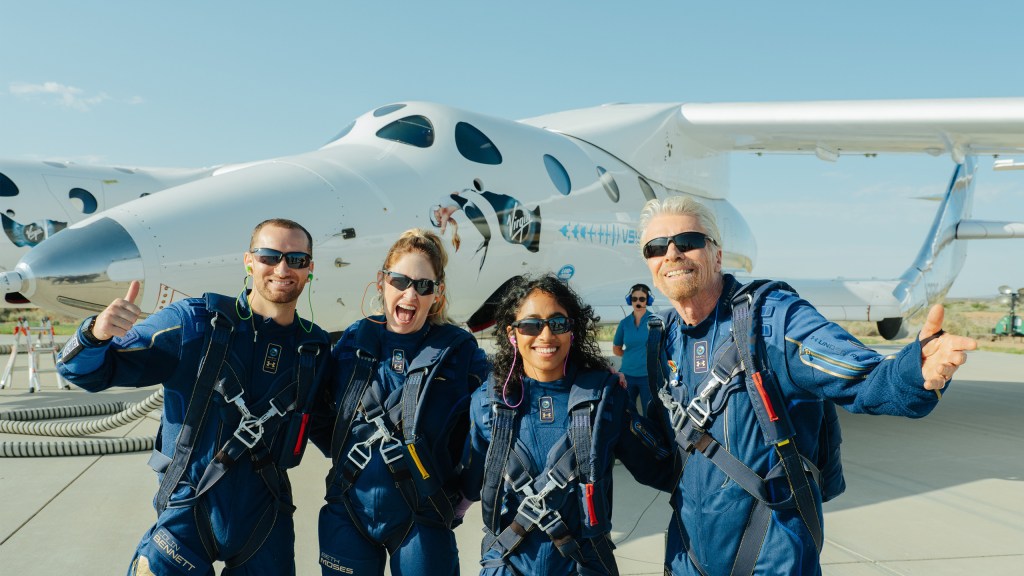
Virgin Galactic has successfully taken its first passengers to space, including its billionaire founder Richard Branson. The event, at Spaceport America in New Mexico, was a field day for press and employees, complete with an early-morning Khalid set and hero walk by Branson and the crew. “Just imagine a world where people of all ages,…
Watch as Virgin Galactic’s first passenger flight takes off with Richard Branson on board
Virgin Galactic is set to launch its first passengers to space tomorrow morning, and you can watch the whole thing right here. The launch is scheduled for 7:30 AM Pacific,…

Max Q is a weekly newsletter from TechCrunch all about space. Sign up here to receive it weekly on Mondays in your inbox. It’s a space race of the most…
Branson aims to beat Bezos to orbit in final stretch of billionaire space race
Two billionaires are neck and neck in the final sprint to the Kármán line, but Richard Branson may clinch it with a July 11 flight on a Virgin Galactic spacecraft,…
Virgin Orbit successfully launches its first commercial payloads to space
Virgin Orbit had a successful first commercial launch, meaning there’s now officially another small satellite launch provider in operation with a track record of delivering payloads to space. Virgin Orbit’s…
