
Sonos
Amazon said to be launching new Echo speaker with premium sound next year
Amazon is reportedly looking to offer an Echo that more directly competes with high-end speakers like the Sonos line of devices or Apple’s HomePod, according to a new report from…
Optimizely raises $50M Series D round for its experimentation platform
Optimizely, a platform that offers tools for A/B testing and personalization on the web and in mobile apps, today announced that it has raised a total of $105 million. This…

After delaying a promised 2018 arrival (while offering a beta as consolation), Google Assistant is finally arriving on select Sonos speakers. Not an earth-shattering bit of news, but certainly a…

Featured Article
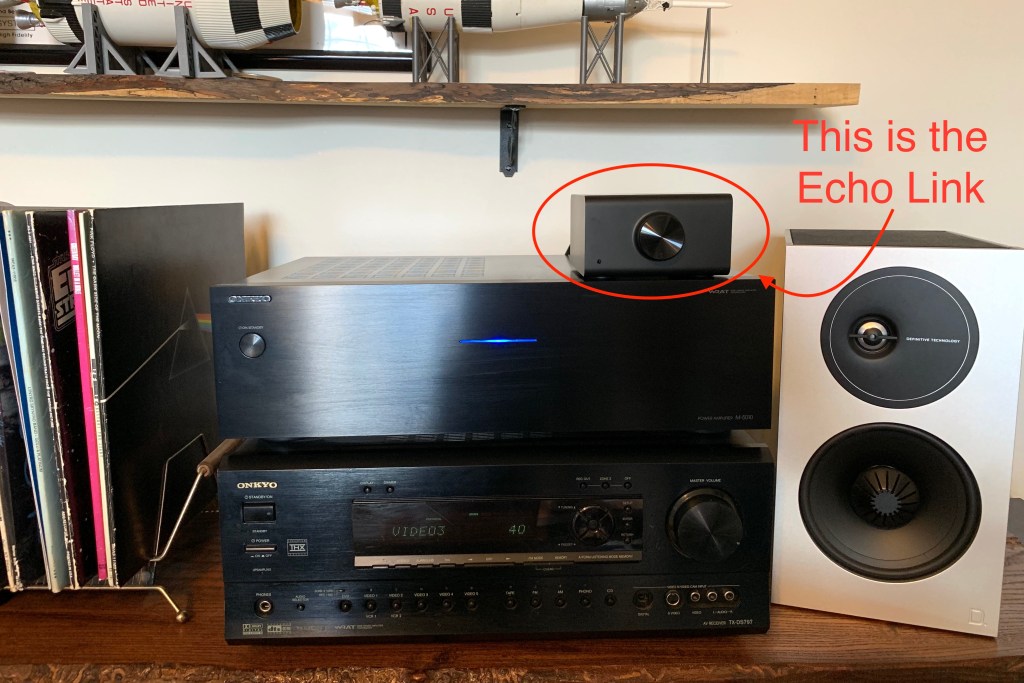
Review: The $199 Echo Link turns the fidelity up to 11
The Echo Link takes streaming music and makes it sound better. Just wirelessly connect it to an Echo device and plug it into a set of nice speakers. It’s the missing link. The Link bridges the gap between streaming music and a nice audio system. Instead of settling for the analog connection of an Echo…
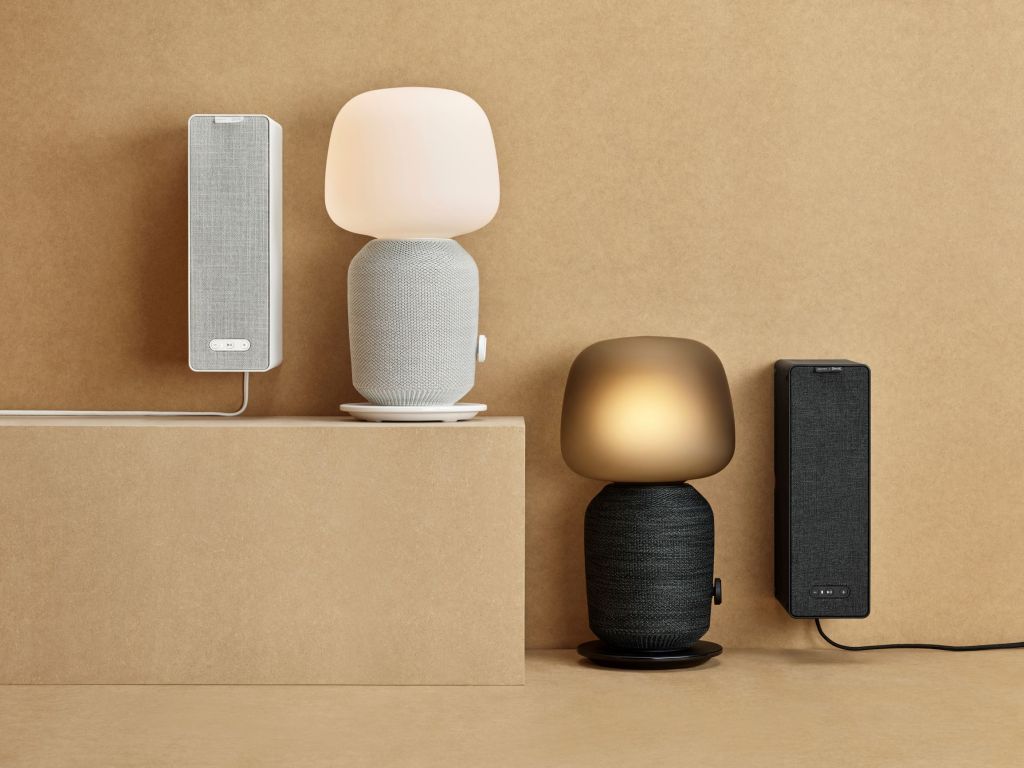
Ikea and Sonos are partnering on a new range of connected speakers that will be available in August 2019. The Symfonisk speakers aren’t just cheap Ikea speakers with a Sonos…
Over a quarter of US adults now own a smart speaker, typically an Amazon Echo
U.S. smart speaker owners grew 40 percent over 2018 to now reach 66.4 million — or 26.2 percent of the U.S. adult population — according to a new report from…
Sonos is launching the most minor of minor updates. The company is launching a revision to its flagship speaker, the Sonos One. Sonos is calling this new speaker the Sonos…
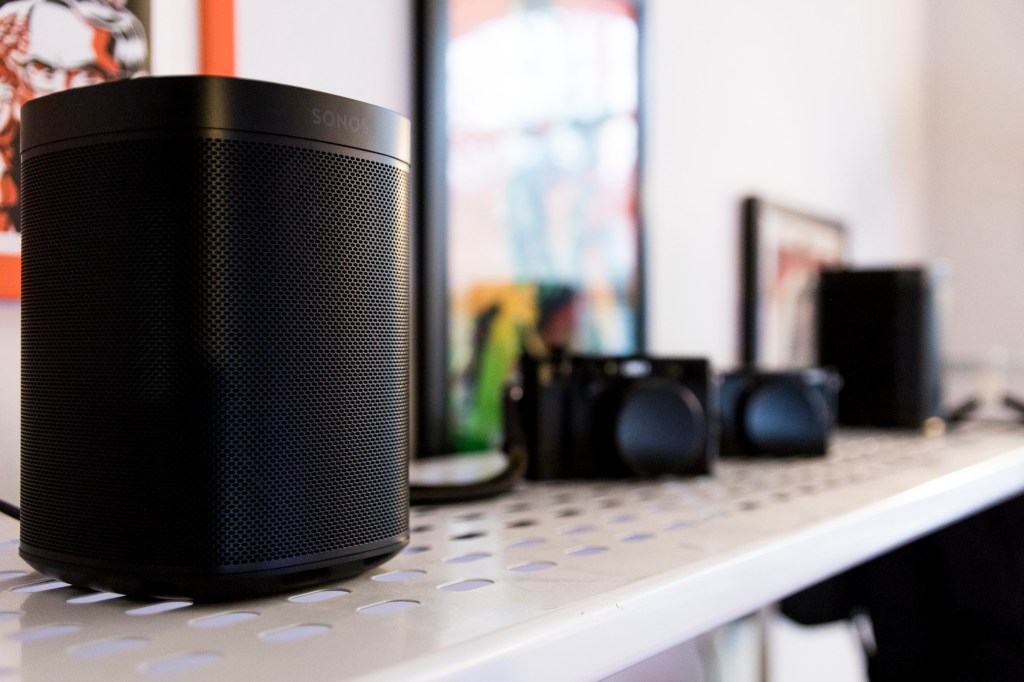
At the tail end of its shareholder letter for Q1 2019, Sonos disclosed that the company’s chief financial officer, Mike Giannetto, will be retiring “later this year.” Giannetto has been…

Sonos is partnering with Sonance for a new lineup of passive speakers. You can now pre-order in-ceiling, in-wall and outdoor Sonos speakers. These are weird products as you still need…

Everything you need to know about Facebook, Google’s app scandal
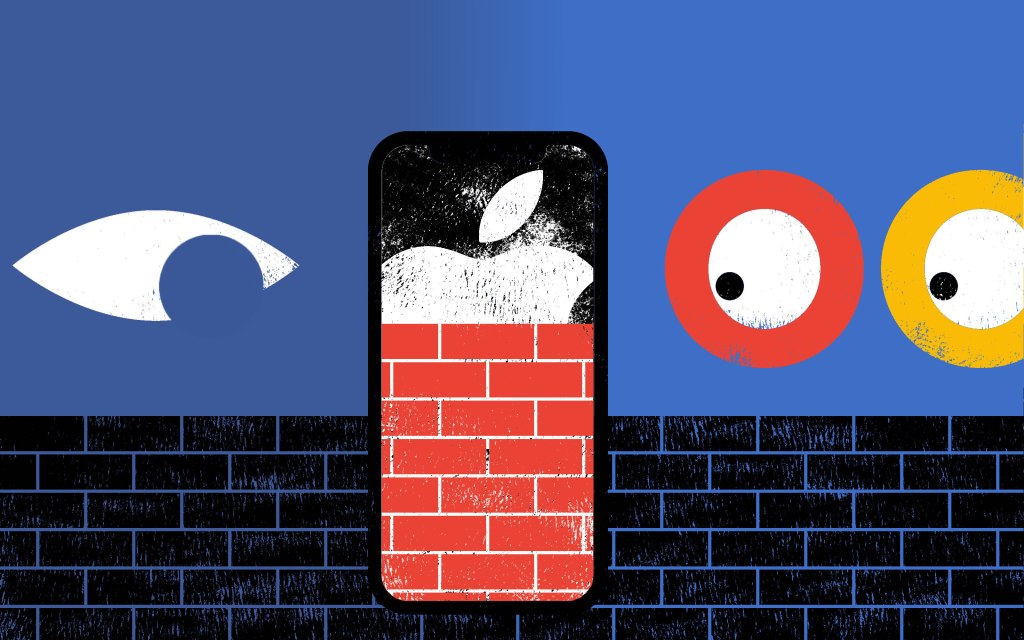
Facebook and Google landed in hot water with Apple this week after two investigations by TechCrunch revealed the misuse of internal-only certificates — leading to their revocation, which led to…
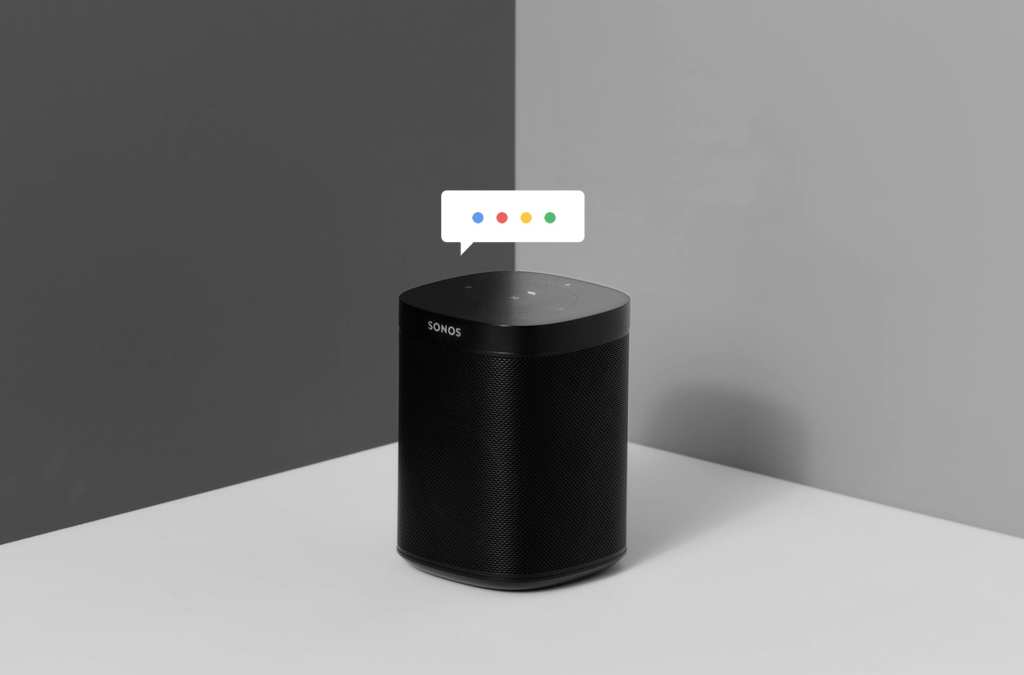
Sonos delays Google Assistant integration until 2019, private beta to launch in 2018
Sonos today announced that Google Assistant will not be available on its products until at least 2019. The service was supposed to launch in 2018 but the company said in…
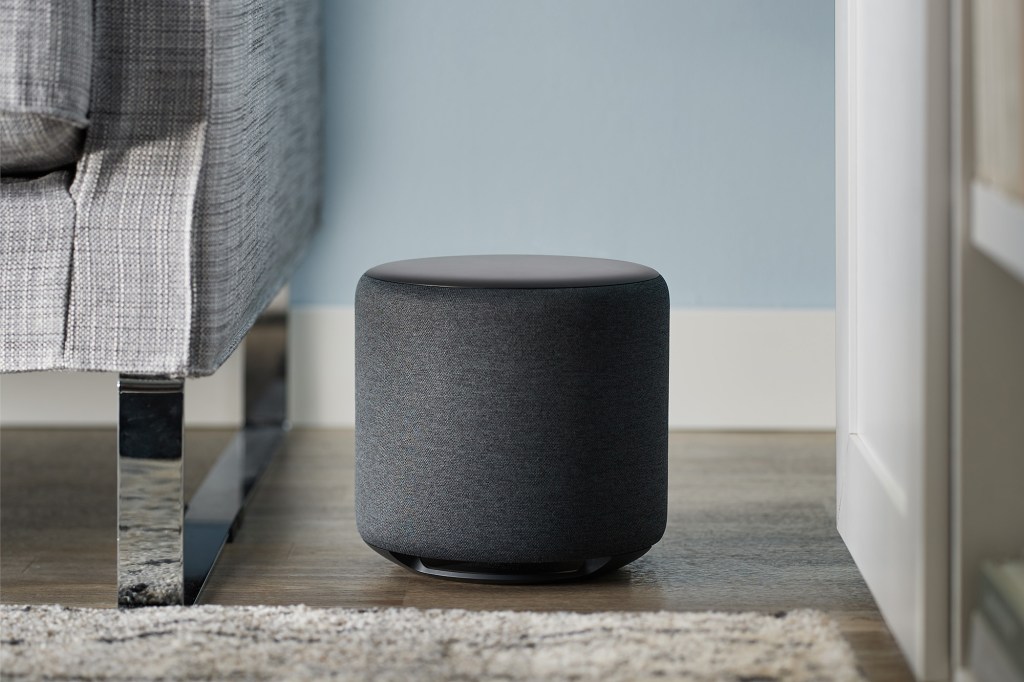
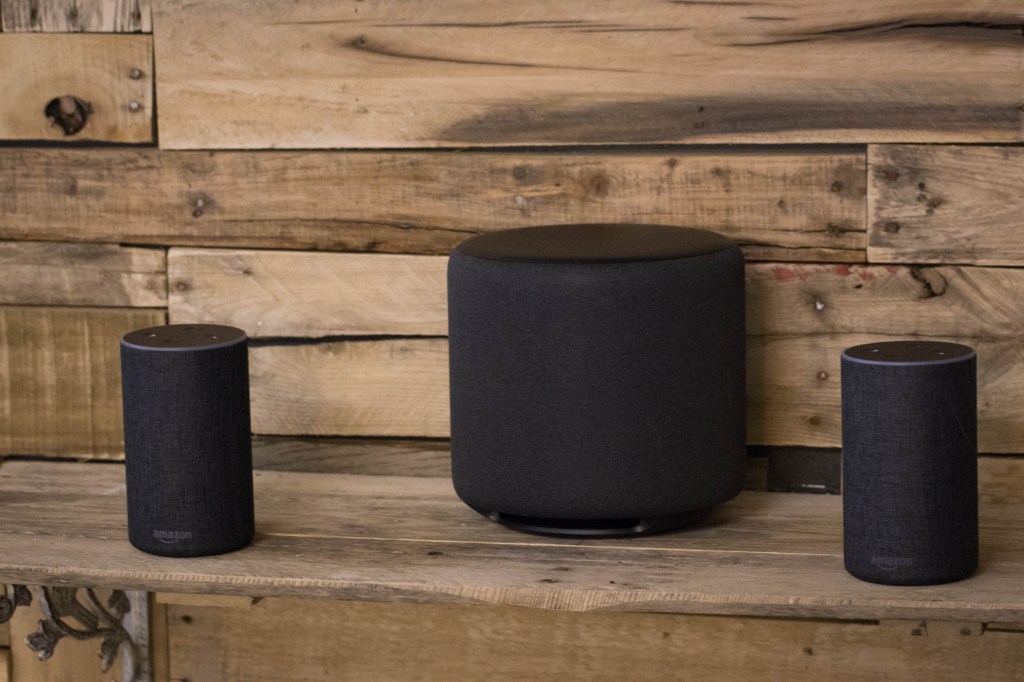
Want to make your music more interesting? Add a subwoofer. That’s what Amazon did and, suddenly, the entire Echo smart speaker lineup is a lot more interesting. If you were…
Featured Article
Technology doesn’t have to be disposable
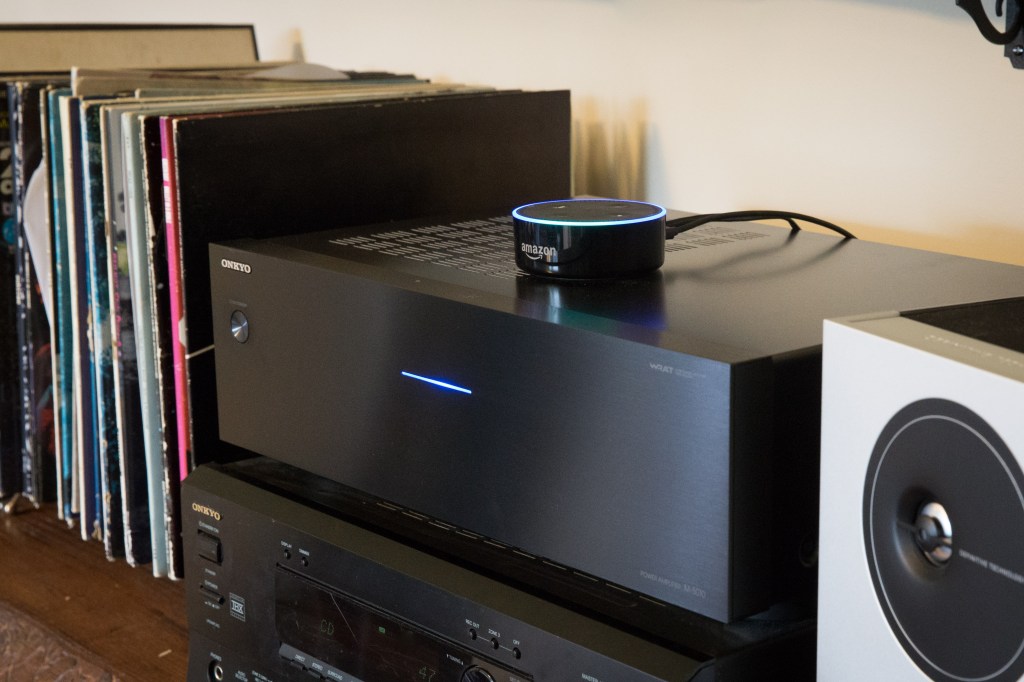
Dust off your old Bose 501 speakers. New devices are coming that will give traditional audio equipment a voice. Amazon recently announced a mess of new Echo devices and among the lot are several small, diminutive add-ons. These models did not have a smart speaker built into the devices but rather turned other speakers into…
Investors are tuning out Sonos after a disappointing quarter
Sonos stock is still struggling to recover after a disappointing earnings report sent shares of the audio hardware manufacturing company plummeting. The stock is currently down over 18 percent in…

Sonos releases new speaker Amp, partners with Sonance for in-wall speakers
Sonos is doubling down on the custom in-home audio market with new products and partnerships. The company today announced a new version of the Sonos Amp and a partnership with…

Sonos sees modest gains on first day of trading
Sonos opened its first day of trading at $15 a share though quickly gained 20% as trading began. As of publication, Sonos, trading under SONO, is around $18.50 a share.…
Sonos today took the next step in its initial public offering price, setting a range for the shares it intends to sell that will help calibrate the final amount of…
Trump’s China tariffs could drive up the price of the Apple Watch and Fitbit trackers
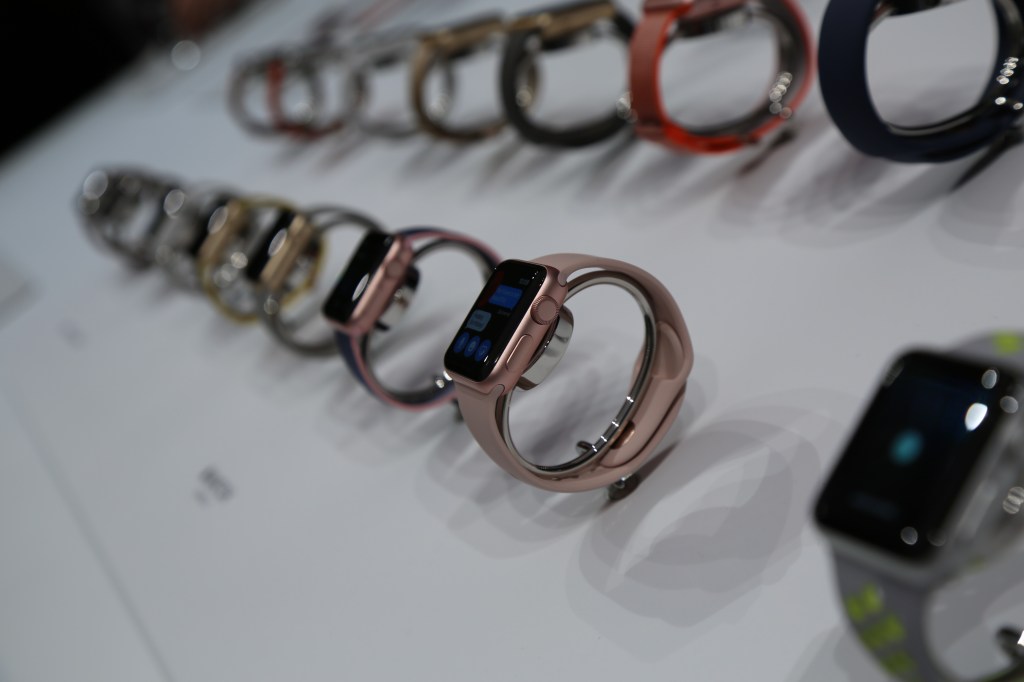
A new $200 billion round of tariffs on Chinese goods could have some broader implications for U.S.-based hardware companies. New government rulings on the Trump-imposed tariffs single out a couple…
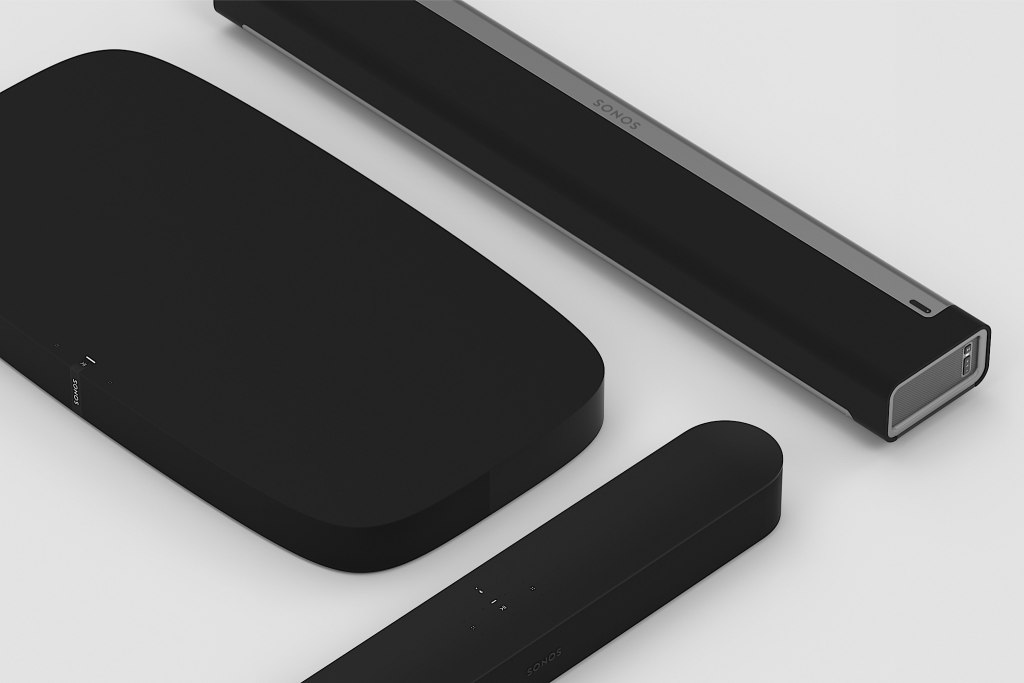
It took Sonos more than a month, but its new home theater speaker is now available. You can buy it on Sonos’ official website for $399 (or €449 if you…

Newer Sonos devices and “rooms” now appear as AirPlay 2-compatible devices, allowing you to stream audio to them via Apple devices. The solution is a long time coming for Sonos…
In a truly fascinating exploration into two smart speakers – the Sonos One and the Amazon Echo – BoltVC’s Ben Einstein has found some interesting differences in the way a…
Smart speaker maker Sonos has filed to go public. In the filing, the company says it’s aiming to raise up to $100 million in the IPO. However, that number may…
Featured Article
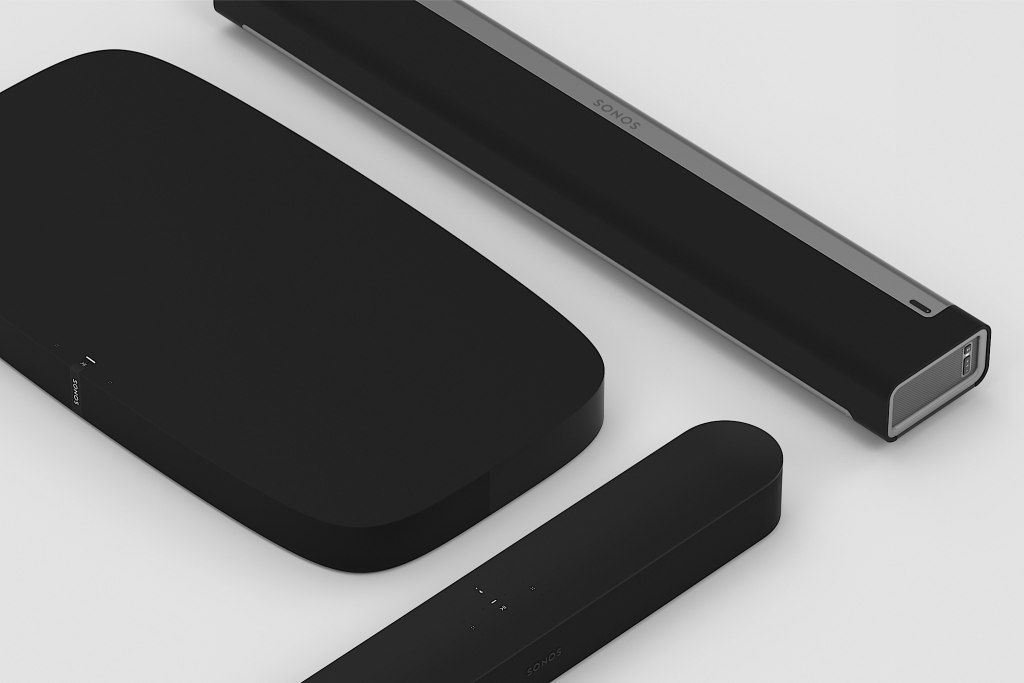
The Sonos Beam is the soundbar evolved
Sonos has always gone its own way. The speaker manufacturer dedicated itself to network-connected speakers before there were home networks and they sold a tablet-like remote control before there were tablets. Their surround sound systems install quickly and run seamlessly. You can buy a few speakers, tap a few buttons and have 5.1 sound in…

Sonos announces the $399 Beam, a cheaper home theater smart speaker
Today, at a special event in San Francisco, Sonos announced a compact home theater smart speaker, the Sonos Beam. The cheaper $399 device boasts a much smaller footprint than its…
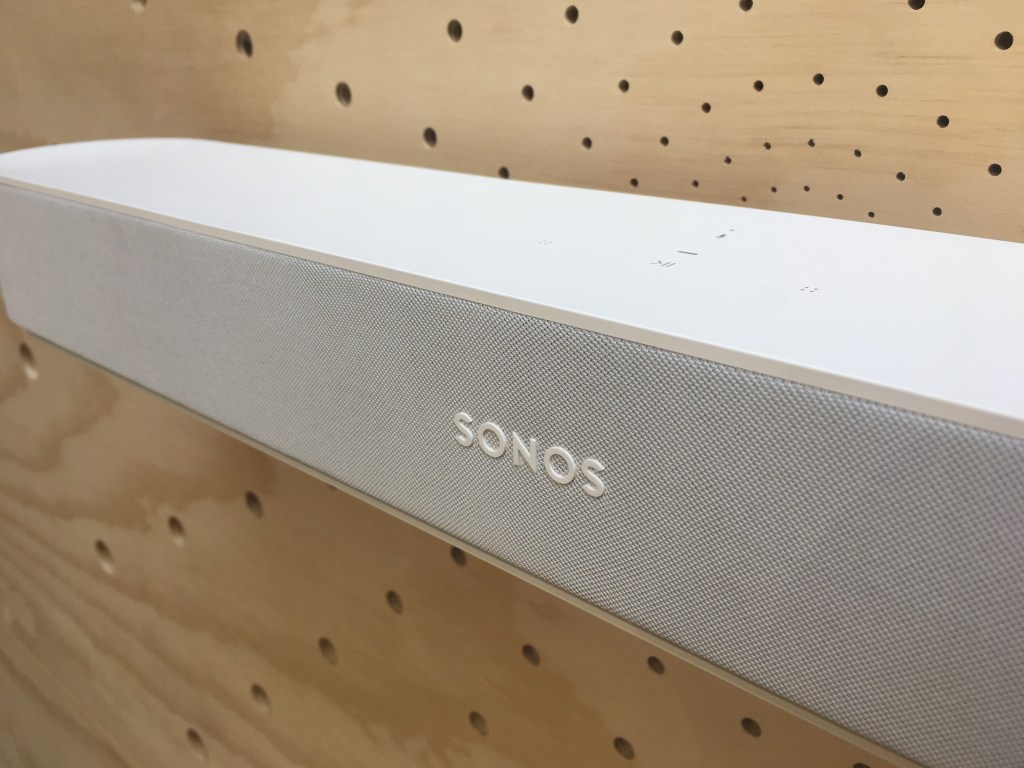
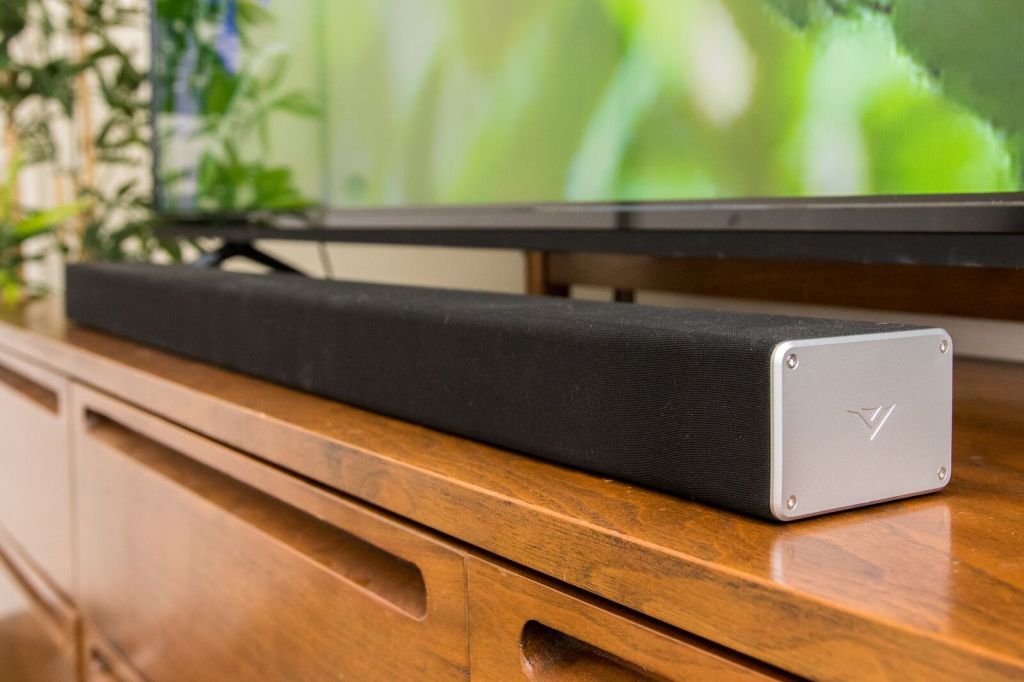
Editor’s note: This post was done in partnership with Wirecutter. When readers choose to buy Wirecutter’s independently chosen editorial picks, Wirecutter and TechCrunch earn affiliate commissions. There are few scenarios where enjoyable…
Featured Article
The 8 features Amazon and Google must add to the Echo and Home
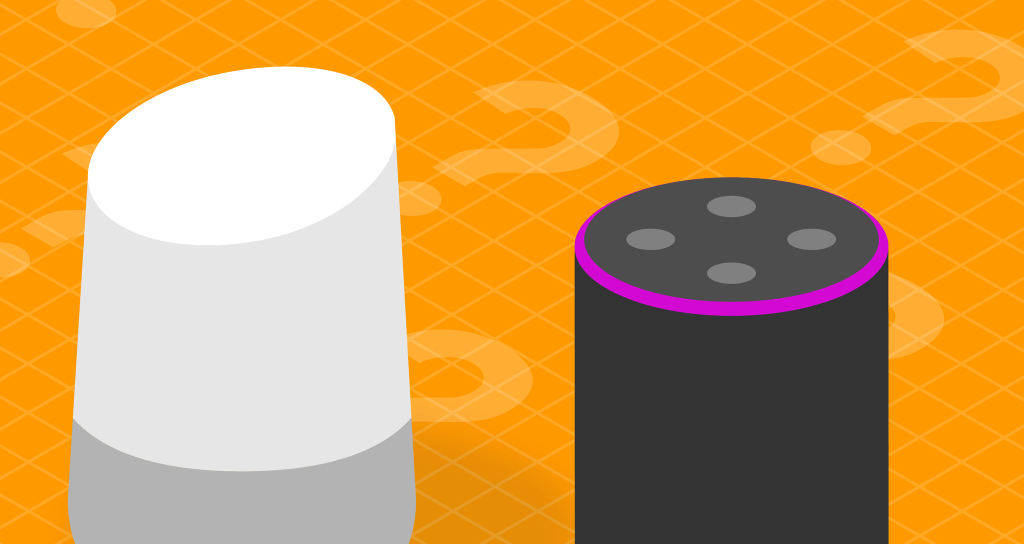
The Amazon Echo and Google Home are amazing devices and both have advantages over the other. In my home, we use the Amazon Echo and have them around the house and outside. I have the original in the living room, a Dot in bedrooms, my office and outside, a Tap in my woodworking workshop and…
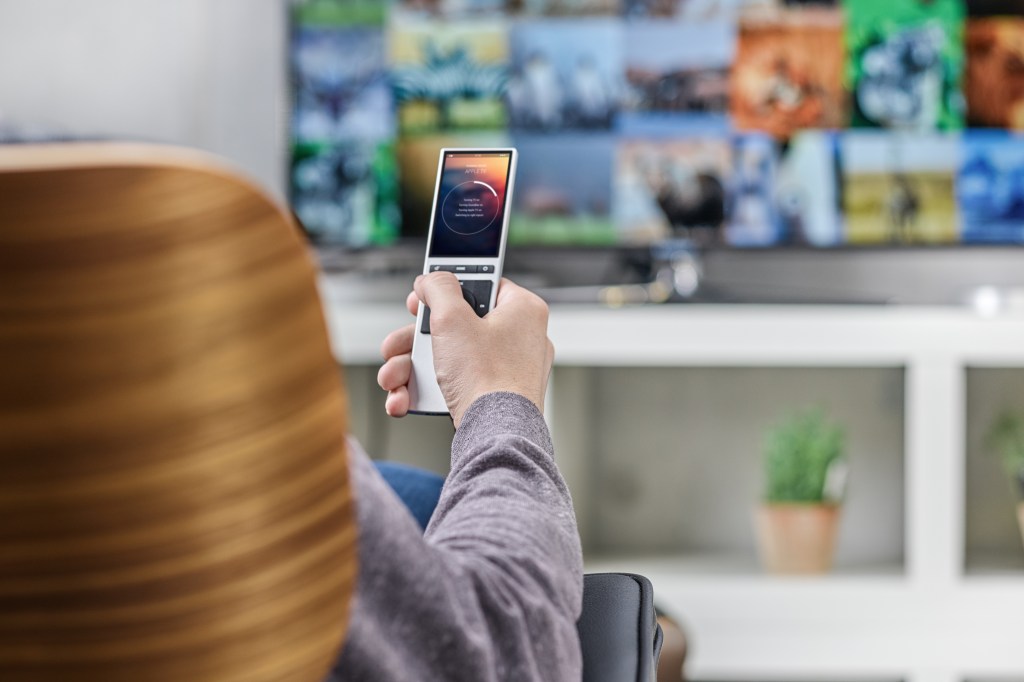
The NEEO universal remote is a modern Logitech Harmony alternative
The advanced universal remote market is not a very crowded market. In fact, for a while now, Logitech’s Harmony line has been pretty much the only game in town. Newcomer…
Sonos One is the speaker to beat for those who want great sound and smarts
The connected speaker wars are upon us, and one day they will be detailed in history books for all to remember. But here, now, it can be hard to cut…
A four-sentence HomePod review (with appendices)
Apple’s HomePod delivers superior sound quality and solid Siri performance but still lags behind competition on breadth of voice commands.
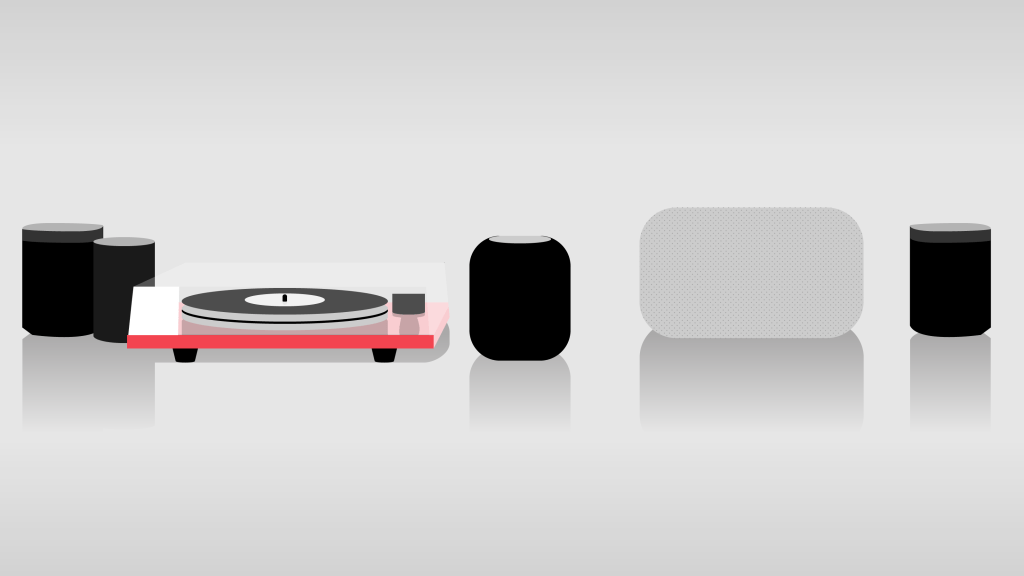
Two Sonos One speakers now cost $349 – the same as one Apple HomePod
Sonos is offering a special limited deal for its new Sonos One smart speaker, which works with Amazon’s Alexa right now, and is gaining support for Google Assistant in a…
