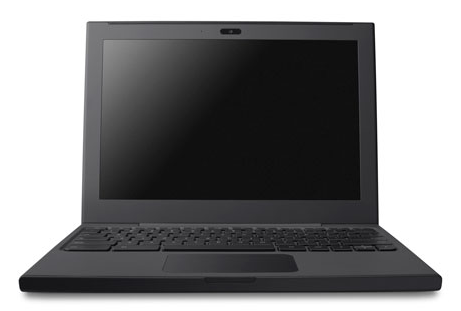
 As we noted earlier today, Google has wasted little time getting their Cr-48 Chrome notebook machines in users’ hands. Less than two days after Google unveiled the device, there are a ton of reports of users getting them. Humorously, some people who thought they signed up for Chrome stickers are also receiving them — quite a bonus! But the Cr-48 hasn’t been a totally pleasant surprise.
A number of reports have come in saying that trying to play Flash videos and apps on the device more or less sucks. The experience ranges from buggy to not working at all, apparently. This includes YouTube, Hulu, Vimeo, CNN — basically all of major video sites on the web.
Now, it has to be noted that Google has made it very clear that the Cr-48 is meant to be a test machine. It’s not ready for mass production. Plus, it shouldn’t be too surprising that the processor inside, an Intel Atom, can’t fully run Flash. That said, Google has also made it very clear that Flash is an important part of Chrome (and Chrome OS). In fact, it’s baked-in. You have no choice but to have it installed.
Yes, you can disable the plug-in through Chrome, but unlike Apple’s mobile devices, the fall-back is basically non-existent.
Apple made waves when they decided not to include Flash on their new MacBook Airs, but there’s no denying that the machines run much more smoothly (both in terms of battery life and web browsing performance) without it. Maybe Google should consider following a similar route when the first consumer-ready Chrome notebooks roll out.