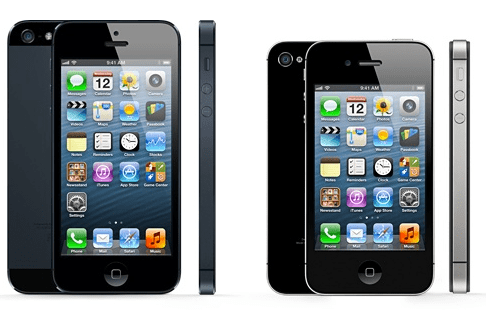
The iPhone 5 is now on sale in most launch markets starting today, and as daylight approaches on the U.S. west coast, the coveted device will be hitting that market as well. According to early reviews, it’s a great device, but that doesn’t necessarily mean it’s the right one for everybody. Even if you’re still a potential iPhone buyer, the lineup has never looked so good. The iPhone 4 and the 4S remain on the market, and they both have a lot to offer, too, at a considerable discount.
Here’s a handy guide to what you get with each device, created by TechCrunch. We’ve tried to distill it down to the most important factors, and when you combine this with our chart detailing what each model does and doesn’t get with the iOS 6 update, you should have an easier time deciding which one to pick up.
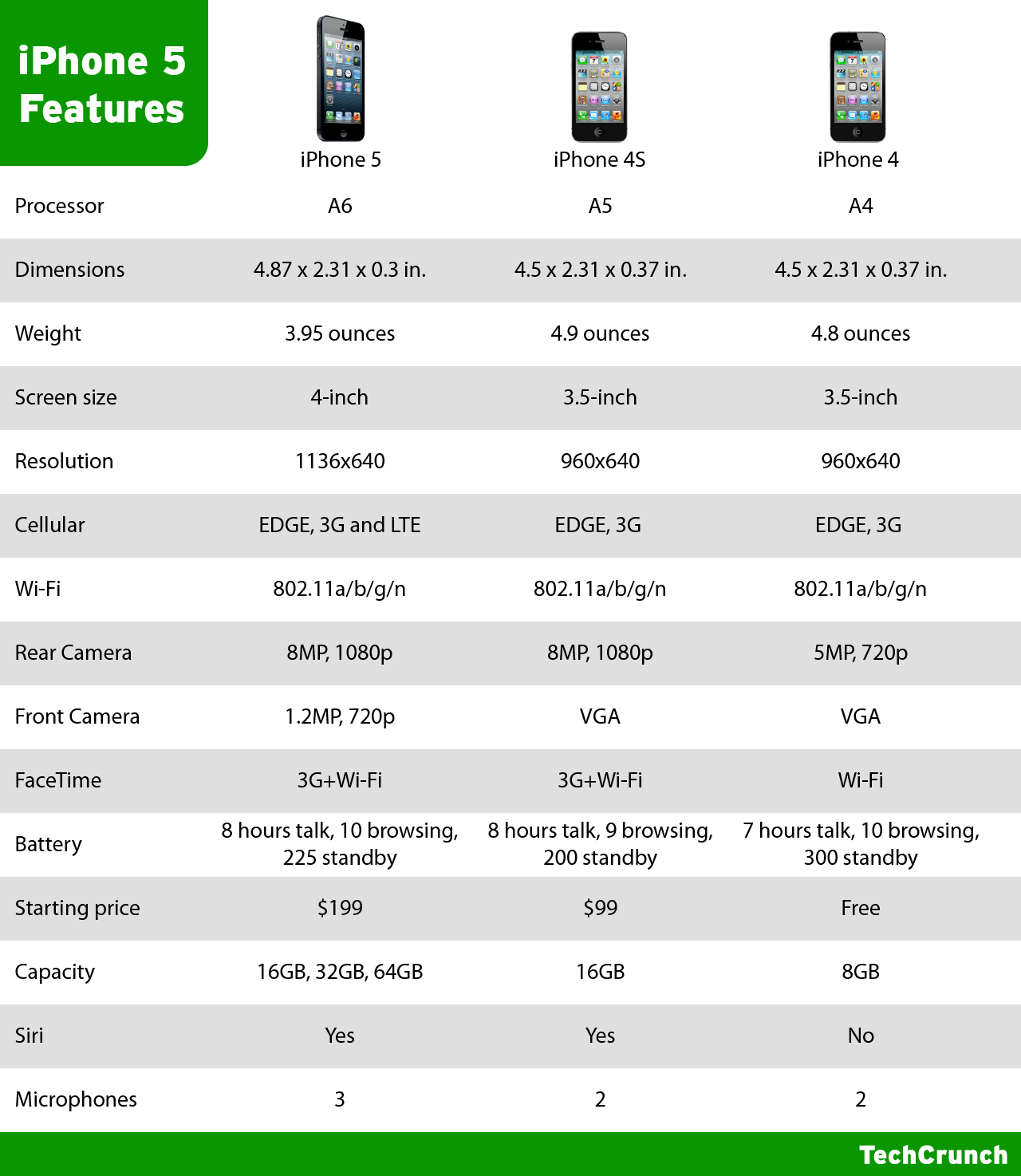
With most of the software features and a form factor some might actually prefer, the iPhone 4S at $99 is a mighty fine-looking deal. It’ll be interesting to see, once carrier data and Apple’s own quarterly results come in, how popular that remains as a second tent pole in Apple’s overall lineup.
Of course, one other important factor to consider might be availability. The iPhone 5 will likely be scarce today, with lineups around the world sizeable at Apple Stores this morning, if you’ve got your heart set on the iPhone 5 it’s probably worth waiting for.