While Google Chrome may still only have about 10 percent market share in the web browser world, it’s effect on the space has been much greater. For example, remember when Google said that Chrome would begin releasing new versions every six weeks? Well now we’re seeing both Mozilla and Microsoft move towards that type of rapid iteration. In fact, Mozilla has moved so much in that direction that they’ve decided to alter their standard release model.
In a post today on their blog, Mozilla has formally introduced the new channel structure for Firefox builds. And this means the creation of a new type of Firefox build that neither a nightly (read: highly unstable) or beta (read: fairly polished) — they’re calling it Aurora. In Chrome parlance, it’s essentially their “Dev” build.
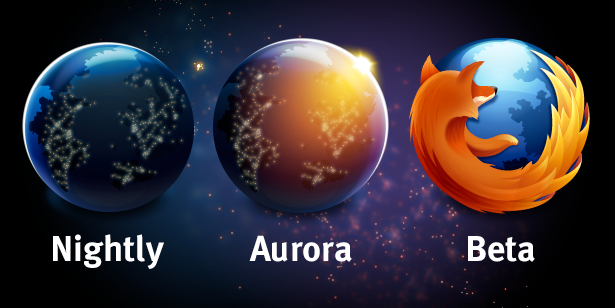
Previously, Mozilla had a Nightly -> Beta -> Release cycle, but it wasn’t utilized ideally. As they note here, they tried calling the nightly builds “Minefield” to imply they were risky, but that lead beta users to believe their builds should be highly stable (which they weren’t always). So Mozilla is sticking this new Aurora build in between the Nightly build and the Beta build. (They’re also killing off Minefield and replacing it with a build simply called “Nightly” — complete with a new icon.)
Mozilla hopes that this better sets expectations in terms of what users can expect from the various builds. In turn, they hope this will allow them to cycle faster through new builds (for example, Aurora is already technically Firefox 5, even though Firefox 4 was just released).
Again, you can likely thank Google for all of this. Not only have they pushed for rapid iteration with Chrome, but their Dev -> Beta -> Stable channels have becomes pretty well known amongst users. In effect what Mozilla is doing here is making Aurora their “Dev” build, Beta their “Beta” build, and Final Release their “Stable” build. Meanwhile, Firefox Nightly is now more like the builds of Chromium that Chrome developers often try out and develop on, but aren’t meant for regular users.
One thing Mozilla definitely does better here is the icons. If you’re using Aurora, you’ll have a different icon than if you’re using Nightly. (Though Beta and Release are the same standard Firefox icons.) Compare that to Chrome where aside from Chromium’s blue icon, I have no idea what build of Chrome I’m using (without hitting the About area in the menu) as all the icons look the same.
You can find and try out the new channels here.