 This evening the New York Times published an article titled Apple Moves to Tighten Control of App Store. An alternative title, should the report prove accurate, could be, Apple Underscores The Downsides Of Its Closed Platform. Really, things look like they are going to get nasty.
According to the report, Apple blocked Sony’s e-reader application from the iPhone and mandated that it would need to sell content via In-App purchases:
The company has told some applications developers, including Sony, that they can no longer sell content, like e-books, within their apps, or let customers have access to purchases they have made outside the App Store.
Apple rejected Sony’s iPhone application, which would have let people buy and read e-books bought from the Sony Reader Store.
Apple told Sony that from now on, all in-app purchases would have to go through Apple, said Steve Haber, president of Sony’s digital reading division.
The implications here could be huge, particularly for Amazon.
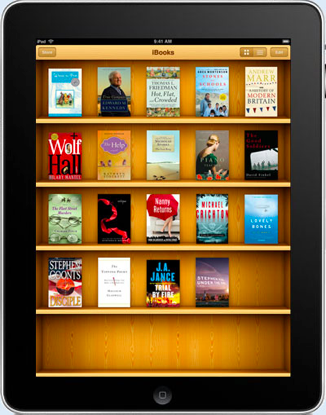
Amazon’s Kindle platform has proven to be very popular, and not just because of the millions of Kindle hardware devices that Amazon is selling. In addition to the dedicated e-reader, Amazon has developed applications for a slew of devices, including iPhone, iPad, Android, desktop computers, and more. And while the platform isn’t open in the same way that Google Books is, it’s still very convenient and far more flexible than Apple’s iBooks, which is only available on the iPhone and iPad.
In fact, at this point there’s no reason to buy books through iBooks when you can just as easily download Amazon’s Kindle app from the App Store, which has access to a larger catalog of books, and lets you read those books on more devices. But instead of beating Amazon on price or features, it looks like Apple might just cut them off. Or force them to use in-app payments, which give Apple a 30% cut and would kill Amazon’s margins. Amazon has avoided using Apple’s in-app payments system by kicking users to a browser to complete their transaction, but according to the NYT report (see the bolded section above) it sounds like this will be banned.
I’m sure Apple apologists will be quick to back their logic here. Of course they don’t want competitors selling premium content through channels that Apple doesn’t control — otherwise Amazon or Google will start selling movies and TV shows and music through their own media stores. Of course Apple wants its cut of all content that is sold on iOS devices. And then there’s the magazine publishers, who will surely cry foul if they have to run their purchases their Apple but the e-book vendors don’t.
But the fact that Apple is apparently changing the rules so late in the game is unnerving. Sony, Amazon, and others have already built these applications and have developed their strategies under the impression that they would be able to sell their own content. Hundreds of thousands, if not millions, of people have gotten used to jumping between reading on their iPhone and Kindle device depending on if they’re sitting in their living room or on the subway. That’s the beauty of this one-platform-multiple-device approach.
Perhaps Apple will grandfather existing applications (namely, Amazon’s Kindle app) in under the existing rules. But I can’t think of a time that’s happened on iOS. And Apple hasn’t been afraid of pulling the rug out from competitors before — Google Voice was rejected for arbitrary reasons in summer 2009 (it was accepted a few months ago), and who can forget Apple’s decision to block all apps developed using Adobe CS5 (which it later reversed course on).
We’ve reached out to Apple for comment.