
Google Open Sources Liquid Galaxy! Build Your Own Or Buy One — For $80,000!

Mg Siegler

MG Siegler is a general partner at Google Ventures and a columnist for TechCrunch, where he has been writing since 2009. Previously, MG was a general partner at CrunchFund. And before TechCrunch, MG covered various technology beats for VentureBeat. Originally from Ohio, MG attended the University of Michigan in Ann Arbor, MI. He’s previously lived in Los Angeles where he worked... → Learn More

Thursday, September 30th, 2010

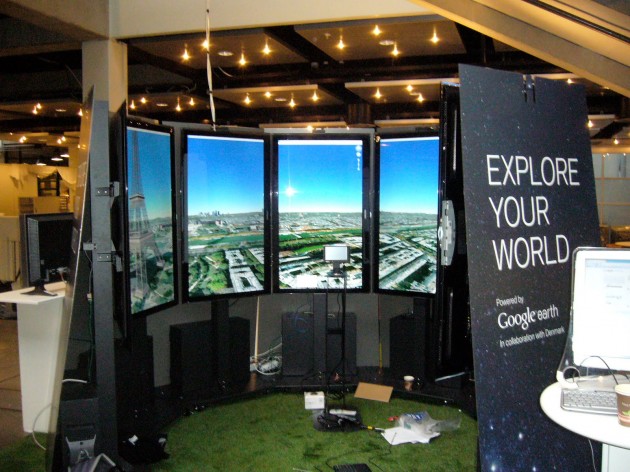
I still think Google’s coolest 20 percent project of all time is Liquid Galaxy. You know, the “eight 55-inch LCD screens showing Google Earth in a unified, surround view” thing that Google sets up around to different conferences they are a part of. It’s sort of like the Star Trek Holodeck. It’s awesome.

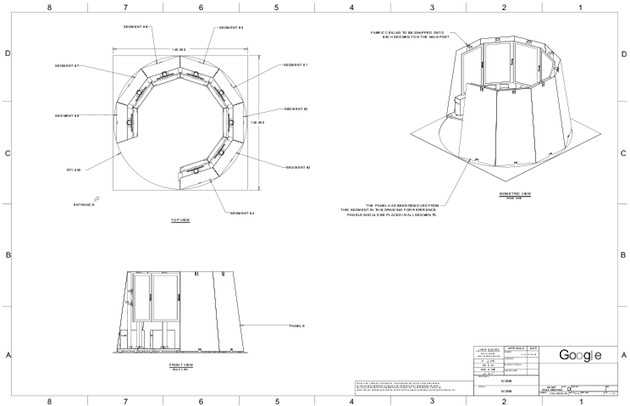
And now you can build your own — or buy one! Google has open-sourced the entire project, including the Ubuntu sysadmin scripts to the mechanical design of the custom frames. And they’ve released a new version of the public Google Earth that supports it.

Of course, Google realizes that most people may not have the skills and/or the means to actually build their own — so there are other options too. Google set up a quick-start page to help you, or you can contact their supplier, End Point, who can build your own version for you.

The cost? $72,000 to $80,000 — plus maintenance.

Or you can buy just the parts you need separately.
Company: Google
Website: google.com
Launch Date: September 7, 1998
IPO: NASDAQ:GOOG

Google provides search and advertising services, which together aim to organize and monetize the world’s information. In addition to its dominant search engine, it offers a plethora of online tools and platforms including: Gmail, Maps, YouTube, and Google+, the company’s extension into the social space. Most of its Web-based products are free, funded by Google’s highly integrated online advertising platforms AdWords and AdSense. Google promotes the idea that advertising should be highly targeted and relevant to users thus providing...

→ Learn more

blog comments powered by Disqus