The team behind the OUYA Android game console clearly paid a lot of attention to its looks — they nabbed Yves Behar to design the thing, after all — but not every component has passed muster with the masses. Thankfully, after hearing some discontent from early backers and developers, OUYA has taken some crucial feedback about the console’s controller seriously and has decided to make some changes.
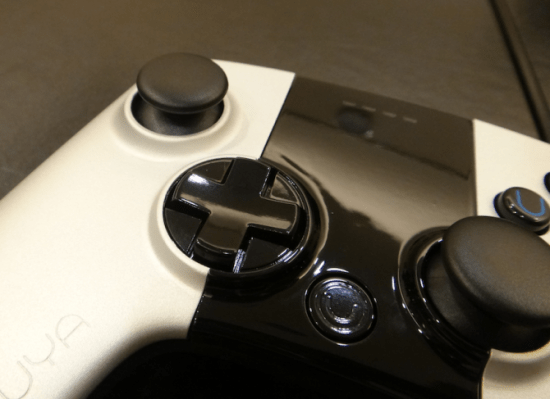
According to recent post on the official OUYA blog, the console’s controller will no longer sport those flat, disc-like d-pads — they’ve been replaced by a more standard cross-shaped affair that should look familiar to anyone to who’s done so much as glance a console controller in the last 20 years. The controller’s dual analog sticks have undergone a bit of a makeover too, as they now feature a grippier finish for increased precision, and the small touchpad nestled in the center of the controller has had its sensitivity bumped up to boot. Throw in some slightly-shifted left and right triggers and a battery door that isn’t as much of a hassle to open, and you’ve got yourself the makings of a half-decent controller.
Sure, some of these may seem like minor tweaks, but any avid gamer could tell you about the importance of fit, finish, and feel when it comes to a device they’re going to be clutching for hours. And hey, by reacting to feedback early enough in the development process, OUYA (with any luck) doesn’t have to deal with the wide-scale blowback from an underwhelming controller the way Microsoft did with its original, roasted ham-sized Xbox controller. It’s heartening to see that OUYA’s community-first approach to this whole undertaking wasn’t just limited to its means of raising money — hopefully the final product will be just as thoughtful when it starts shipping to the rest of us later this year.