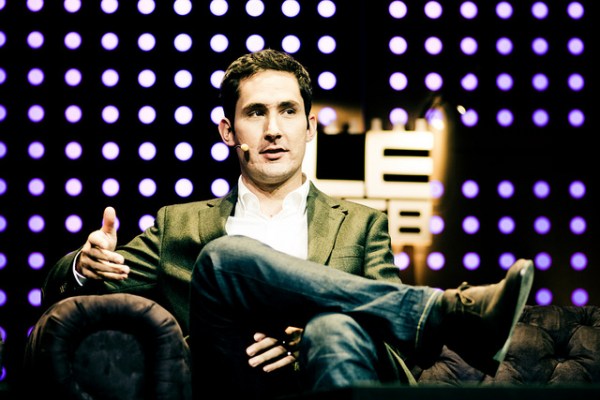
In a very carefully worded blog post penned by Instagram co-founder Kevin Systrom, he laid out what Facebook and Instagram will do to answer any and all questions that users might have over the recent privacy and terms of service changes.
This was the “Beacon-Like” response we were anticipating:
I’m writing this today to let you know we’re listening and to commit to you that we will be doing more to answer your questions, fix any mistakes, and eliminate the confusion. As we review your feedback and stories in the press, we’re going to modify specific parts of the terms to make it more clear what will happen with your photos.
Along with the post, Systrom re-iterates that Facebook is not “selling” your photos to anyone, as in that’s not their intention. Not that it never will. He says that ownership rights stay with its users, and nothing has changed on the privacy front.
What has changed though is the fact that your content, as Instagram users, is available to Facebook’s pool of over 1B users and advertising network for things like sponsored posts. Therefore, Systrom says that it will be changed, as in the language will be removed:
The language we proposed also raised question about whether your photos can be part of an advertisement. We do not have plans for anything like this and because of that we’re going to remove the language that raised the question. Our main goal is to avoid things likes advertising banners you see in other apps that would hurt the Instagram user experience. Instead, we want to create meaningful ways to help you discover new and interesting accounts and content while building a self-sustaining business at the same time.
Clearly, the situation has been agitated over the past few days, with some users deleting their accounts entirely. What does Instagram have in mind as far as turning its unit into a real part of Facebook’s business? Here’s what Systrom had to say on that:
To provide context, we envision a future where both users and brands alike may promote their photos & accounts to increase engagement and to build a more meaningful following. Let’s say a business wanted to promote their account to gain more followers and Instagram was able to feature them in some way. In order to help make a more relevant and useful promotion, it would be helpful to see which of the people you follow also follow this business. In this way, some of the data you produce — like the actions you take (eg, following the account) and your profile photo — might show up if you are following this business.
To say that this was not clear at the outset of these changes is an understatement. It’s good to see that Systrom, Instagram and Facebook have decided to come out and respond to the outcry, but it is indeed reminiscent of Zuckerburg’s 2007 Beacon apology clarification. The whole “seek forgiveness later” approach isn’t a good one for users, especially ones that have been as loyal as Instagram’s have.
Systrom does end his post on this note:
I am grateful to everyone for their feedback and that we have a community that cares so much. We need to be clear about changes we make — this is our responsibility to you.
The startling thing about all of this is that companies know that users don’t always read the terms of service or privacy policy, which is of course the user’s fault, but companies who make an extra effort to explain things before they go into effect always tend to keep a following through good times and bad. Will Instagram users who were not pleased respond well to this? That’s the next important question here, and you can see some of the early responses on their Facebook post.
[Photo credit: Flickr]