Ads, not payments, are the future of Facebook monetizing mobile, but it needs content to show them beside. The new Follow action announced today could deliver that content by letting you follow someone in a mobile app, and then sending the updates you’d normally see in that app back to your ad-laden news feed.
More content -> more engagement and return visits -> more ad impressions, more money, and more reason for investors to buy. It will send referral traffic to developers, and it’s actually convenient for users too. Why trapse from site to site and app to app when you can see everything your friends are doing everywhere, all from your news feed? You won’t. You’ll sit right there where Facebook can advertise to you.
How Facebook Follow Works
Facebook integrated something similar last week with the Like action, which lets developers take their in-app “heart”, “favorite”, “thumbs up” and other buttons that express affinity, and have them publish stories about the activity to Facebook. That also creates content for Facebook, but only one story at a time.
The new Follow action hooks Facebook into an endless stream of updates. As long as the person you follow keeps doing things in the app where you subscribed, you’ll keep seeing their content in the news feed. Privacy is controlled from within whatever app or service you initially clicked Follow. If someone doesn’t want you keeping tabs on their in-app activity, they have to use the app’s settings to make their updates private.
For example, if Instagram integrated Facebook Follow, when you followed someone new on Instagram, you’d get their photos in your Facebook news feed. Some developers might love this, because it would remind people to visit the app.
Some might think of it as Facebook stealing their content, so they might choose not to integrate. Fledgling apps still trying to build their user base and engagement might be more likely to jump on board than premier apps that already have healthy communities. Each developer will have to thoughtfully consider what there goals are in the current phase of their product’s life. If they’re trying to gain users, Follow could help. If they’re trying to boost in-app engagement and their own monetization, they might be better off forgetting Follow.
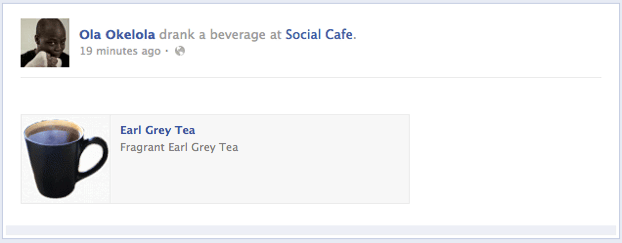
Here’s how it looks integrated in one app:
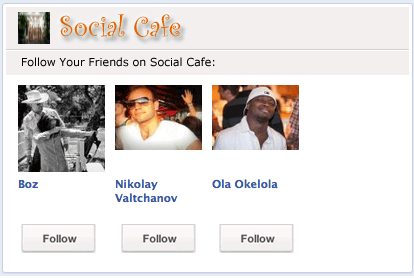
Click one of those buttons and you’ll be alerted on Facebook that you’re following someone via your Timeline’s recent activity.

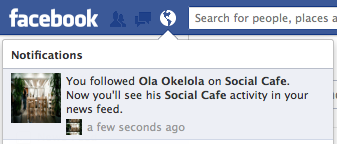
…and your notifications
Then you’ll start seeing posts like these in your Ticker or news feed

Developers who are already publishing stories back to Facebook via Open Graph about who you follow, like Quora for example, have 90 days to either stop publishing their custom “follow” actions and migrate to this new official one, or stop publishing those kinds of stories.
Why Facebook Follow Is So Damn Important
Facebook wants to be the “Omni-News Feed”. Right now content from all the web services and mobile apps are splintered into their respective in-app content feeds. Most sites don’t do a very good job of monetizing that content. But Facebook knows exactly how: Sponsored Stories.
If Facebook can maintain its massive time on site (which averages 441 minutes per user per month), it will have plenty of room to inject its Sponsored Stories ads into the news feed.
And it may get even better. I’m checking with Facebook PR, but the actions published could potentially be turned into Sponsored Stories, so Facebook could charge the app where they took place to make the stories appear more prominently in the feeds of people already subscribed to them. Facebook could essentially be taking content from apps and selling it back to them.
If you were wondering what Facebook’s long-term game plan is, you’re staring at it. Pull content from everywhere, mix it with ads, keep you reading. And with the carrot of referral traffic to dangle, some developers may be happy to play along.