If you’re a parent, it can be a challenge to convince kids to do their chores. (Or so I’m told.) It’s even harder to make them genuinely excited. But a startup called HighScore House says it has found a way.
The company is part of the latest class of companies incubated by 500 Startups, and it made its pitch to investors this afternoon as part of 500 Startups Demo Day. Co-founder Kyle Seaman says the company has been operating on an invite-only basis, but it’s starting to open up to a wider audiences, and it’s already getting excited messages from parents whose children are actually asking to do more chores.
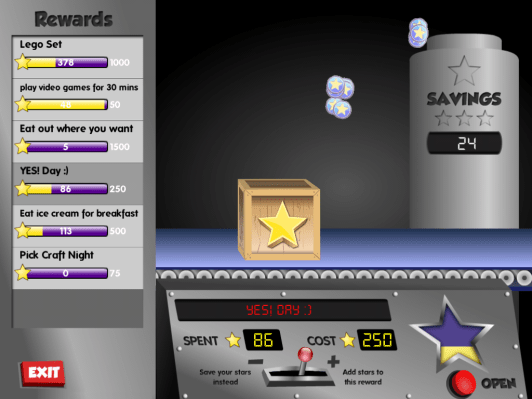
So what’s the company doing? Games and rewards. HighScore House offers a website and an iPad app where children can track and earn points for their chores. Those points, in turn, can be redeemed for rewards — Seaman says the most popular rewards involve something that makes the child feel special, like ice cream for breakfast or riding shotgun in the car.
Of course, you don’t need a website to reward your kids for chores. But HighScore High should make it a lot easier. Even though the families set up the chores and rewards, the site makes suggestions so you don’t have to think of things from scratch or wonder, “Should this be worth 100 points or 1,000 points?” It also makes it easier for kids to understand the expectations and to track their progress. Ultimately, Seaman says he wants to do for families what Zynga did for social networks and gaming.
HighScore House has raised an angel round from Jason Bailey (general manager of Virtual Currency at Super Rewards), Kay Luo (who led PR at LinkedIn and Square), Dan Martell (co-founder of Flowtown), and James Levine (former CTO at SimplyHired). It plans to make money by charging a subscription fee (it’s free while in beta testing), by selling digital goods for kids to decorate their virtual rooms, and by facilitating some of the rewards (for example offering gift cards and taking a cut).