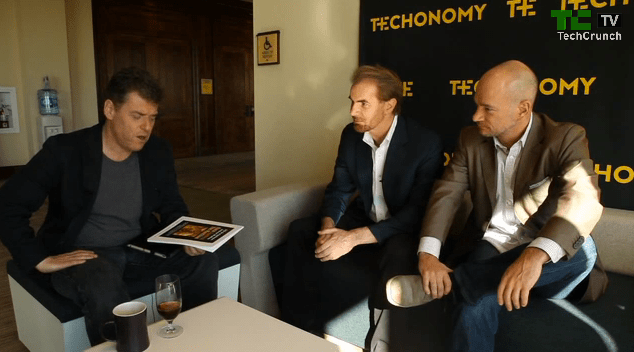
The good news about information technology, according to Erik Brynjolfsson and Andrew McAfee, the authors of Race Against the Machine: How the Digital Revolution is Accelerating Innovation, Driving Productivity, and Irreversibly Transforming Employment and the Economy is that it’s making America more innovative, productive and richer. But the bad news, the two MIT professors add, is that this new wealth, innovation and productivity is being spread unequally, so that only a minority of Americans are benefitting from it.
I interviewed Brynjolfsson and McAfee today at David Kirkpatrick’s Techonomy conference where they explained to me their economic dilemma of the new economy. Yes, they both agreed, we should be optimistic about the long-term future of technological innovation and productivity; but, they confessed, the inegalitarian consequences of today’s digital revolution is deeply worrying, particularly its inability to produce more jobs for the less well educated workforce.
This is the second interview in a series conducted at Techonomy this week. Earlier today, I posted my interview with the economist Tyler Cowen whom Erik Brynjolfsson debated at the event. Future interviewees include Microsoft Chief Strategy Officer Craig Mundie, Intuit co-founder Scott Cook, Elevation Partners co-founder Roger McNamee and the high flying angel investor Esther Dyson.