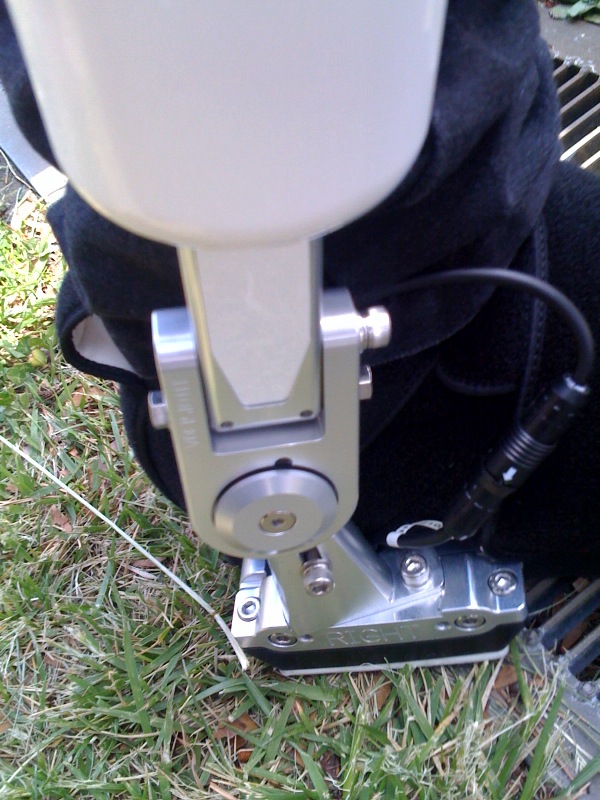
I had the chance to attend a TED event last weekend, namely the TedxTokyo conference, which took place for the second time in Japan. And as CrunchGear’s Japan correspondent, I was naturally most interested in the geekiest presentation delivered: that of Professor Sankai from Tsukuba University (near Tokyo). (The video was of the presentation was uploaded just a few hours ago, which is why I waited till today.)
Sankai talked about and showed the latest version of his brainchild, the super-cool robotic exoskeleton HAL-5. Made by his spin-off company Cyberdyne (yes, HAL-5 and Cyberdyne), the robo suit helps paralyzed persons walk and lift heavy objects through transforming brain signals sensed through the skin into motion.
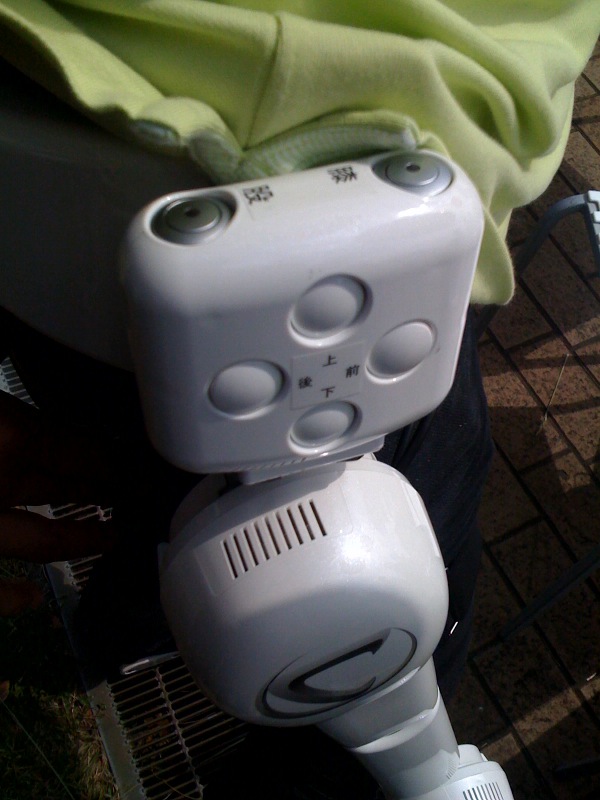
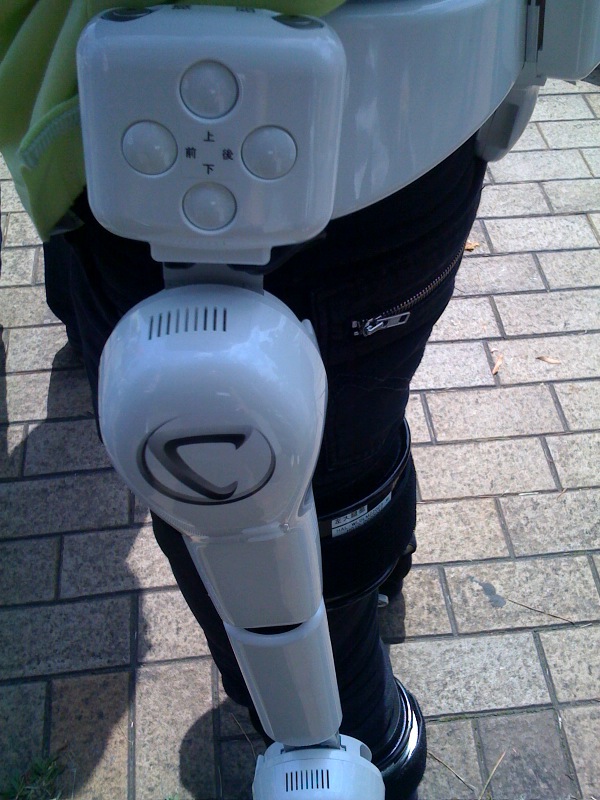
You can find more technical details in our detailed article from last summer. In the meantime, Sankai developed wearable robot arms that can carry 80kg each. And now it’s also possible for people who lost a leg, for example, to make use of HAL-5. In other words, the leg part can now even help people who need to rely on an artificial replacement, not a “real” leg. Both new accomplishments are demo’d in the video embedded below.

Here’s the impressive presentation Sankai gave during TedxTokyo (in English) on video (not made by me). I shot the pictures you see above myself during the day of the event.