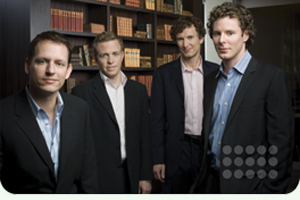
 San Francisco based Founders Fund launched in 2005 with a $50 million venture fund. They’ve had two liquidity events since then, and a handful of other very high profile investments (Facebook, Powerset, Ooma, Quantcast, Slide, Geni, Causes, etc.).
Today they will announce a second fund, Founders Fund II. It’s much larger – $220 million. And unlike the first fund, the money comes mostly from outside investors. The new fund will allow Founders Fund to make 15-20 new investments, including pro-rata investments in follow on rounds.
A couple of investments have been made out of the new fund, they say, but have not yet been disclosed.
Founders Fund partners have deep connections in Silicon Valley, which help with deal flow (Peter Thiel, founder and former CEO of Paypal, Ken Howery, founder and former CFO of PayPal, Luke Nosek, founder and former Vice President of PayPal and Sean Parker, founder and former CEO or President of Napster, Plaxo and Facebook). But they also approach deals differently than most other funds.
Sean Parker said today in a phone interview that a glut in venture capital, combined with reduced capital needs of most startups, has led to a shift in balance of power between entrepreneurs and VCs. Founders Fund recognizes that shift and has evolved does deals a little differently because of it. For example, they invented and promote the issuance of a special class of stock, called Series FF, which allows entrepreneurs to take money off the table much earlier in their company’s lifecycle. They also allow significantly more liberal voting rights to founder board members than many other funds. See this article in the SF Chronicle earlier this year for more on how they do business.