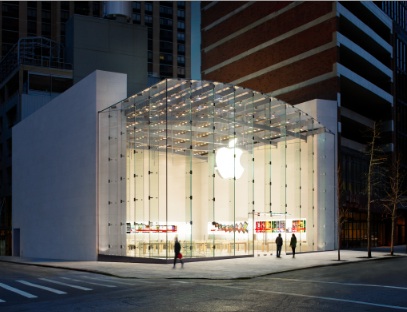
Apple is reportedly considering the opening of physical Apple Retail locations in India, but the WSJ reports that that could be a problem because of an Indian regulation that says foreign retailers have to source 30% of the value of the goods they sell from Indian firms. That would be very hard for Apple to manage, since its components come primarily from Chinese suppliers. But if it can get on the ground somehow, it stands to gain a lot in a market where it’s currently trailing Samsung and others.
Apple has a reported 1.2% of handset market share in India, compared to 51% for market leader Samsung. That’s in part because smartphones are dropping in price to accommodate emerging markets like India, but Android’s leading that charge, not Apple, since the OS is freely licensed and can be used on cheap hardware from manufacturers creating devices built towards a wide range of consumer budgets. But Apple Retail is also a key component of Apple’s overall sales strategy: Apple’s retail outlets drove over 300 million visitors in 2012, and the Genius Bar served well over 50,000 visitors. Retail gives Apple a direct relationship with customers on the ground, and also provides opportunities for highly visible brand-boosting events like launch day lineups.
The sourcing regulations, however, mean that Apple would be unable to open operations unless it sourced more parts for its devices from Indian suppliers (which is unlikely to happen), or Indian regulations relaxed. That could happen, according to analysts speaking to the WSJ, but it will take time, during which Apple would have to continue using third-party retailers to move its goods in the country. Another option could be to source third-party accessories like cases, speakers and more from Indian suppliers, but it would be very difficult for Apple to make up 30% of the value of its sales through that method.
The iPhone 5 hasn’t yet launched in India (that’s expected to happen before year’s end), but it’s already available on the grey market from a number of sources. It remains a very costly device, however, and even through official channels will be mostly sold unsubsidized at very high prices. That’s unlikely to attract a much larger percentage of India’s growing subscriber base, which currently exceeds 929 million. To reach that market, Apple needs to look at how its phones are priced, but also at how they’re presented and sold to consumers. A retail presence could offer that opportunity, should it find a way around the Indian sourcing rules.