
Google just launched an update to PageSpeed Service, its hosted website optimization and caching service, that promises to get your site’s content onto your users’ screens even faster. PageSpeed Service is Google’s effort to optimize websites on the fly. The service, which launched in beta almost exactly a year ago, basically re-writes parts of your site to optimize its loading time.
The only caveat: PageSpeed Service is still officially in beta and you need to request an invite before you can get started.
PageSpeed service already compressed images and other resources, cached your files on Google’s servers around the world and concatenated your CSS files (a lot of this is similar to what CloudFlare does). Now, the company’s engineers have come up with a number of smart new ways to ensure that sites aren’t just downloaded quickly but also appear on a user’s screen as fast as possible.
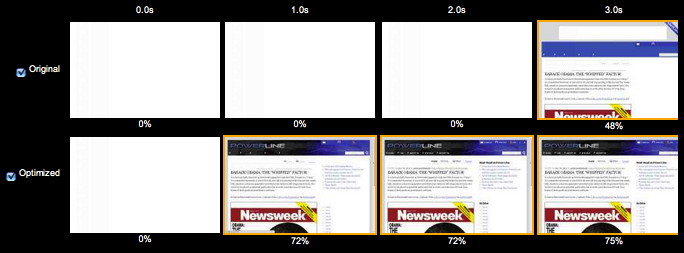
PageSpeed Service is now, for example, able to cache just portions of a site’s HTML code. Often, Google says, “web pages are not cached because they contain small amounts of personalized information or other non-cacheable data.” PageSpeed’s new “Cache and Prioritize Visual Content” rewriter, however, can now distinguish between cacheable and non-cacheable data. Once enabled, Google’s servers only need to go back to the origin server to fetch the non-cacheable parts while the other parts are already visible on the user’s browser.
With this update, PageSpeed Service also prioritizes content that is above the fold of the browser and defers JavaScript execution until page load.
According to Google, “these techniques has shown significant improvements in user-perceived page load times.” The PageSpeed team didn’t release any concrete numbers with today’s announcement, but last year, Google said using PageSpeed Service can speed up sites by 25% to 60%.