Fits.me Finally Shipping A New Robot That Makes It Easier To See What You’re Going To Look Like In That Suit

John Biggs

Biggs is the East Coast Editor of TechCrunch. Biggs has written for the New York Times, InSync, USA Weekend, Popular Mechanics, Popular Science, Money and a number of other outlets on technology and wristwatches. He is the former editor-in-chief of Gizmodo.com and lives in Bay Ridge, Brooklyn. You can Tweet him here and G+ him here. Email him directly at... → Learn More

Thursday, June 28th, 2012
fitbot01

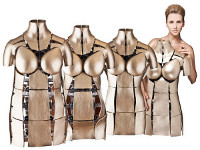
As a fat, lazy blogger, I find myself often buying clothes online only to discover that XXL for a designer in Spain is basically a XXS for babies in America. The resulting shape and return fees were enough to drive me to distraction – until I saw this wild robot call the FitBot.

The robot – which is finally in production – essentially takes your measurements and reproduces them in real time. Got a big old tummy and broad shoulders? FitBot will show you what that shirt will look like on you. It can reproduce up to 2,000 body permutations and can be used by, say, an online store to show exactly what a certain shirt will look like on various people.

Barring some sort of live webcam feed, the way stores would use this is to take a shot of every possible permutation on the FitBot dummy. Then, when you tell the shop how grotesque you are (or, in the case of everyone besides me, well-built), the FitBot catalog will spit out the proper image.

No work on availability yet in actual stores but you can see the technology over at fits.me where it’s being offered to retailers. I, for one, welcome our golden clothes-fitting robotic overlords.

via RoboticsTrends


Company: Fits.me
Website: fits.me
Launch Date: March 1, 2010
Funding: $8.95M

Fits.me develops virtual fitting room solutions for online clothing retailers. The subjective nature of “fit” as it applies to clothing and fashion has inhibited online apparel sales for years – in 2012 the overall proportion of garment sales from online channels was still only 14-15%. The essential problem is the inability of shoppers to try on clothes to check the fit before they choose their size. According to Mintel, widespread inconsistencies in sizing between different brands and retailers...

→ Learn more