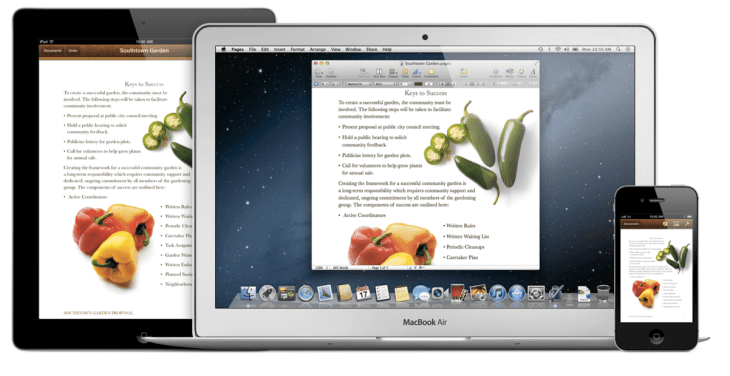
Ever since Apple released OS X Lion, its desktop operating system started the long trek towards iOS, Apple’s other, more popular operating system. With the next version of OS X, Mountain Lion (released today as a developer preview), OS X will prowl even closer to its iOS cousin.
A number of the new features in OS X come directly from iOS. These include deeper iCloud integration, Messages, Reminders, Notes, a Notification Center, a Game Center, AirPlay, and built-in sharing to Twitter, email, and more.
As time goes on, Apple is building more and more iOS features into OS X to create a more seamless experience between the two. As Apple CEO Tim Cook mentioned earlier this week at a Goldman Sachs conference, many more people’s first experience of an Apple product is an iPhone or iPad than a Mac. “The iPhone started to introduce Apple to hundreds of millions of people who had never met Apple before,” he said. This famed halo effect of the iPhone is orders of magnitude larger than it was for the iPod. People who buy an iPhone are more likely to buy a Mac, and when they do buy a Mac they are going to expect a familiar experience.
Of all the iOS features being ported to the the Mac, the most significant ones are iCloud, notifications, and social sharing. Of course, iCloud is already a part of some Mac desktop apps like iPhoto, but with Mountain Lion it will embrace iWorks docs. All of your docs will be synced to the cloud, eliminating the headaches of keeping track of different versions. Apple could open up this iCloud functionality to other apps as well, making it a key feature of the OS (but it is going to have to increase the free storage from the measly 5 GB it offers now). iCloud is the link between iOS and OS X apps, and it will only keep growing.
Apple’s own desktop apps such as Safari will start featuring the sharing button icon familiar to iOS users (the box with the right-facing arrow coming out of it). This will allow users to share a web page, photo, or document via email, as a message, to Twitter, or other services. In this way, sharing will be baked right into the OS. Facebook isn’t included as an option here yet, but that could happen if the two companies ever work out their differences.
Finally, adding push notifications to the desktop could be the biggest change of all. Anyone with an iPhone or iPad knows how addictive the app notifications can be (or annoying, if it’s not your iPhone). Notifications have become the new message bus—persistent, always in your face, and realtime. They are IM for apps, and increasingly they are the way our machines talk to us, pulling us into an app with constant pings saying, “Hey, something just happened.” These push notifications will start with Apple apps, but will soon become available to developers via an API. As iOS developers create more Mac companion apps, you should start to see the same notifications pop up whether you are on your iPhone, iPad, or Mac.