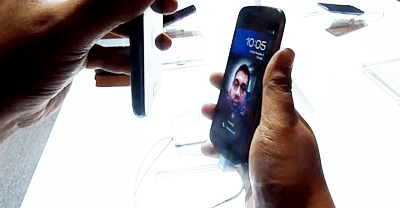
Within minutes of our big ol’ Android 4.0 (Ice Cream Sandwich) demo video going online, one question barraged my inbox: could the new facial recognition-based unlocking feature be tricked with a photo?
Google’s response on this was anything but solid. They kind of tip-toed around it when I asked, saying just that the feature “will only get better”. Meanwhile, Google’s Tim Bray implied that they’d most certainly thought of that.
At long last, someone has managed to answer the question with video proof. Turns out: Yep, photos work.
Check out the video below, courtesy of Malaysia’s SoyaCincau :
As a few folks have doubted the tester’s methods, they went on to add:
While some of you think that it is a trick and I had set the Galaxy Nexus up to recognise the picture, I assure you that the device was set up to recognise my face.
Of course, this is still Beta software we’re talking about. The Galaxy Nexus won’t ship until later this month — so if this portrait trickery does work consistently (and this wasn’t just a fluke), there’s no saying it’ll still work in the final software. Third party facial unlocking systems have done things like requiring certain facial expressions or waiting for the user to blink — which, while not infallible, at least makes sneaking in more complicated.
In the mean time: if you’re carrying anything sensitive on your phone (and really, with all of the accounts we sync to our smartphones these days, who isn’t?) it’s probably a good idea to avoid using face unlock as anything but a neat party trick.