
Seth Goldstein, the chairman and co-founder of Stickybits, described the progression of media on the Internet this morning at the Conversational Marketing Summit in New York City. In 1996, Webpages became media. In 2001, search became media. In 2005, people became media. In 2007, status updates became media. Last year, places became media. And in 2010, he predicts, objects will become media.
Well, he hopes they will. Stickybits turns barcodes into threaded conversations around objects. You scan a barcode with the Stickbits app on your iPhone using the camera as a barcode scanner, then add a comment, photo, or video. The next person to scan that barcode sees your message and can leave their own. So objects with no IP addresses, like a case of cheese at a farmer’s market in Boulder, Colorado or a Twix bar in Kenya can unlock their own stories.
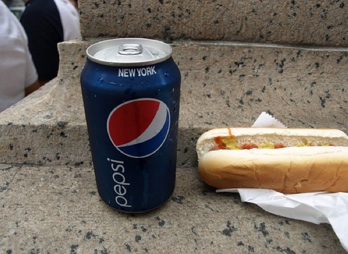
It’s a cool, Sci-fi idea, but how will Stickybits make money? Goldstein announced today on stage that the next upgrade to Stickybits will include “official bits” and that PepsiCo is signed up as the first sponsor. So when you scan the barcode on a can of Pepsi, you might get a message directing you to Pepsi’s Refresh social media campaign (which donates money to the best causes/projects as voted by consumers). As an official “paid” bit, the Pepsi message will appear first before any of the others, just like paid search. The rest are in chronological order. Other Pepsi products like Lay’s potato chips will also be involved.
If every object has a story, every object becomes a marketing opportunity. Sounds good in theory. The trick will be to get consumers to start scanning objects on a regular basis just like some (still early adopters) are starting to do now with checking into locations. It is an unnatural act, and there has to be a really good reason to do so. Those reasons will emerge only once a critical mass of people start leaving Stickybits all over the place.
Photo credit: Flickr/William Yurasko